This website uses cookies and other tracking technologies to enhance navigation, facilitate feedback, analyze usage of our products and services, support marketing efforts, and deliver third-party content. View our Privacy Policy.
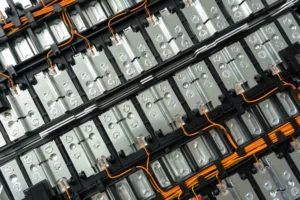
Bechtel is at the forefront of constructing innovative battery manufacturing facilities in the U.S. Our expert team ensures compliance with local codes and standards, conducts thorough pre-inspections, and manages permitting, startup processes, and risk identification.
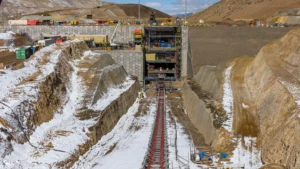
The Bechtel-built mine, one of the largest copper resources, features a first-of-its-kind desalination plant and will operate on 100% renewable energy by 2025.
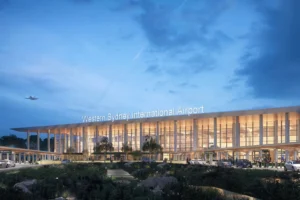
Bechtel is delivering one of Australia’s largest infrastructure projects — a state-of-the-art airport designed to handle 10 million passengers annually.
Poland’s Nuclear Program: A Model for Energy Independence Through Strategic Localization
Dena VolovarPresident, Nuclear, Security & Environmental
4 min read
Share:
Co-authored with Dan Lipman, President of Westinghouse’s Global Business Initiatives.
Nuclear energy today offers enormous potential. Not only to deliver clean, reliable power but to strengthen national security, deepen industrial capability, and expand long‑term economic opportunity. Realizing that potential requires partnerships that are more than transactional. It takes collaboration between governments, across industries, and among allies willing to commit to each other for decades.
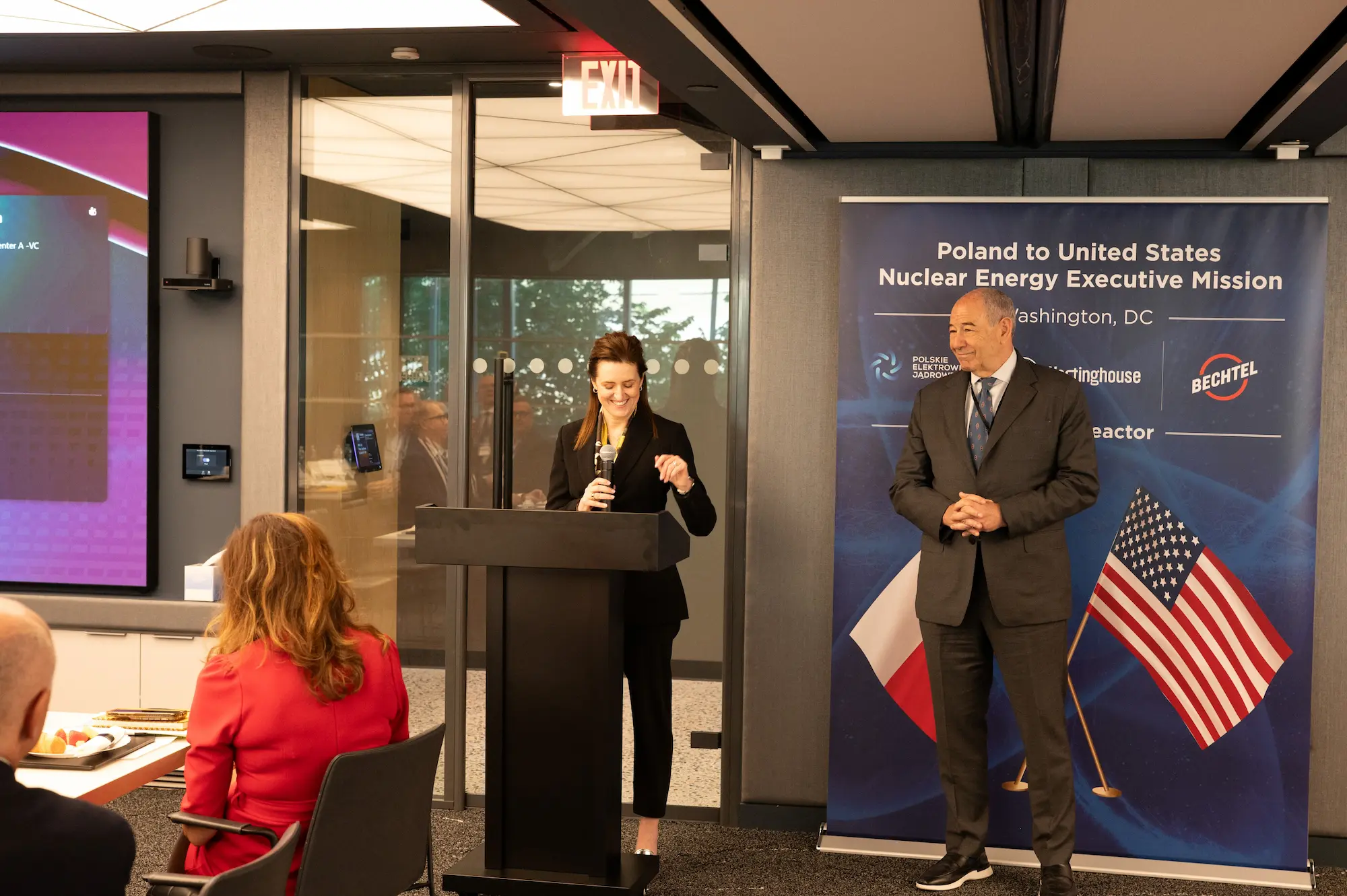
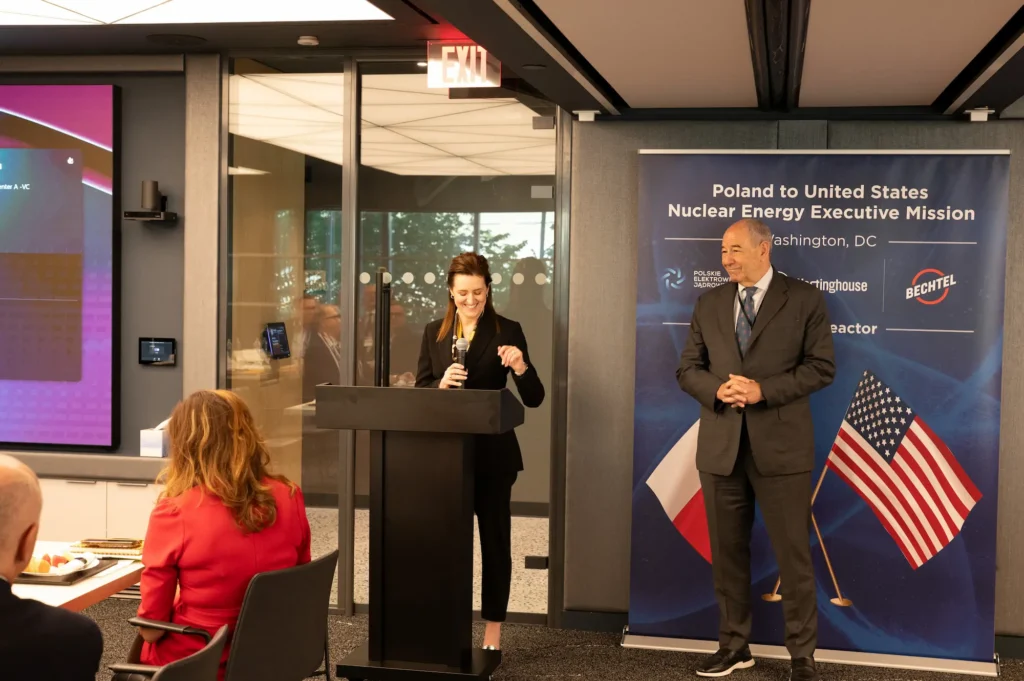
That type of partnership is exactly what the United States and Poland are building. Last week, more than 25 Polish supplier CEOs arrived in Washington for the Poland Trade Mission, jointly organized by the Nuclear Energy Institute and Poland’s Chamber of Power Industry and Environmental Protection. Led by Polish Deputy Minister Wojciech Wrochna and PEJ CEO Marek Woszczyk, the delegation met with the White House National Energy Dominance Council, senior U.S. government leaders, members of Congress, and our teams at Westinghouse and Bechtel.
In May, more than 25 Polish supplier CEOs participated in the Poland Trade Mission taking place in Washington D.C., jointly organized by the Nuclear Energy Institute and Poland’s Chamber of Power Industry and Environmental Protection.
What is important to highlight is that these were not routine business meetings. These are the companies that will form the backbone of Poland’s emerging nuclear industry, meeting the policymakers and partners who will help them build it. The level of engagement reflects a deeper truth: Poland is not simply purchasing a power plant. It is establishing an entirely new industrial sector, anchored in U.S. partnership and designed for long‑term national resilience.
Localization as the Cornerstone of Energy Independence
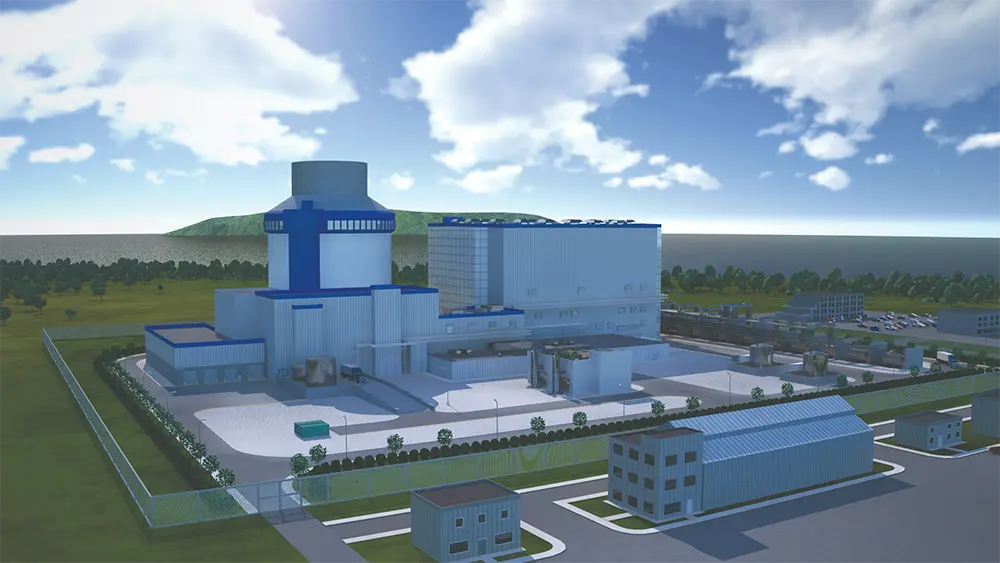
From the outset, Westinghouse and Bechtel have shared a single objective with PEJ: to deliver three advanced AP1000® modular reactors while simultaneously building the skills, institutions, and supply chain that allow Poland to own its nuclear future. Localization is not a side effort, it is central to how this program strengthens Poland’s energy independence.
Through our Supplier Days series, we have engaged with more than 700 Polish companies, providing hands‑on training and guidance on the rigorous standards required for nuclear construction. Westinghouse is also partnering with major Polish firms to certify them under the ASME NQA‑1 quality assurance standard, enabling them not only to contribute to this project but to join the global AP1000 supply chain for future deployments across Europe and worldwide.
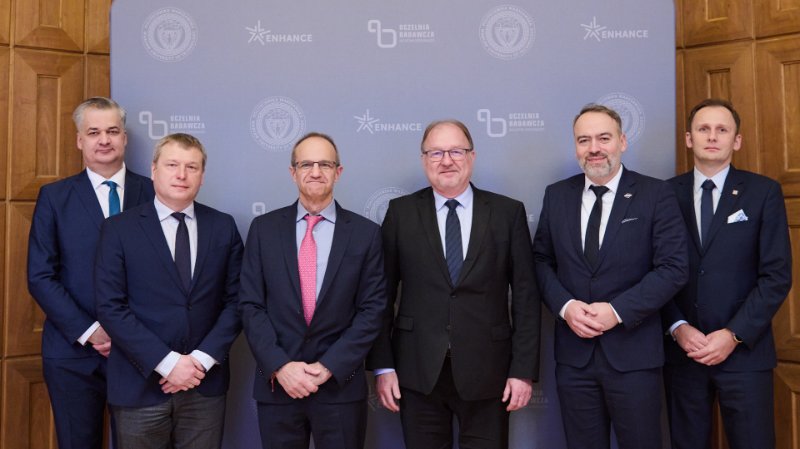
Workforce development is equally critical. Westinghouse and Bechtel directly employ more than 500 Polish professionals, while partnerships with the Warsaw University of Technology, Gdańsk University of Technology, the University of Gdańsk, and the National Centre for Nuclear Research are cultivating the next generation of Polish nuclear engineers, researchers, and companies.
This is what energy independence looks like: a program built with Polish hands, powered by Polish expertise, and sustained by a long‑term industrial ecosystem that remains in Poland long after construction is complete.
Applying Proven Experience to Accelerate Poland’s Program
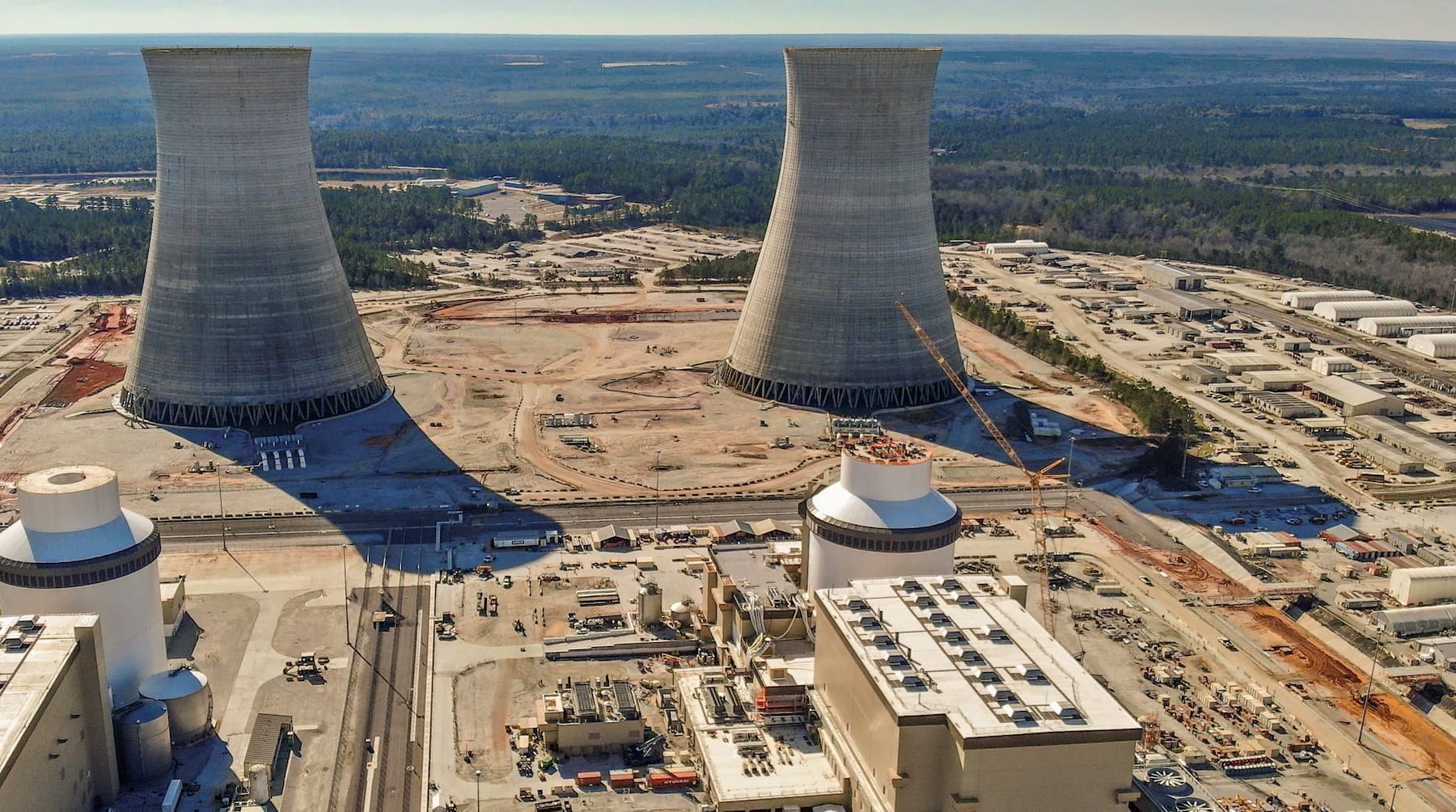
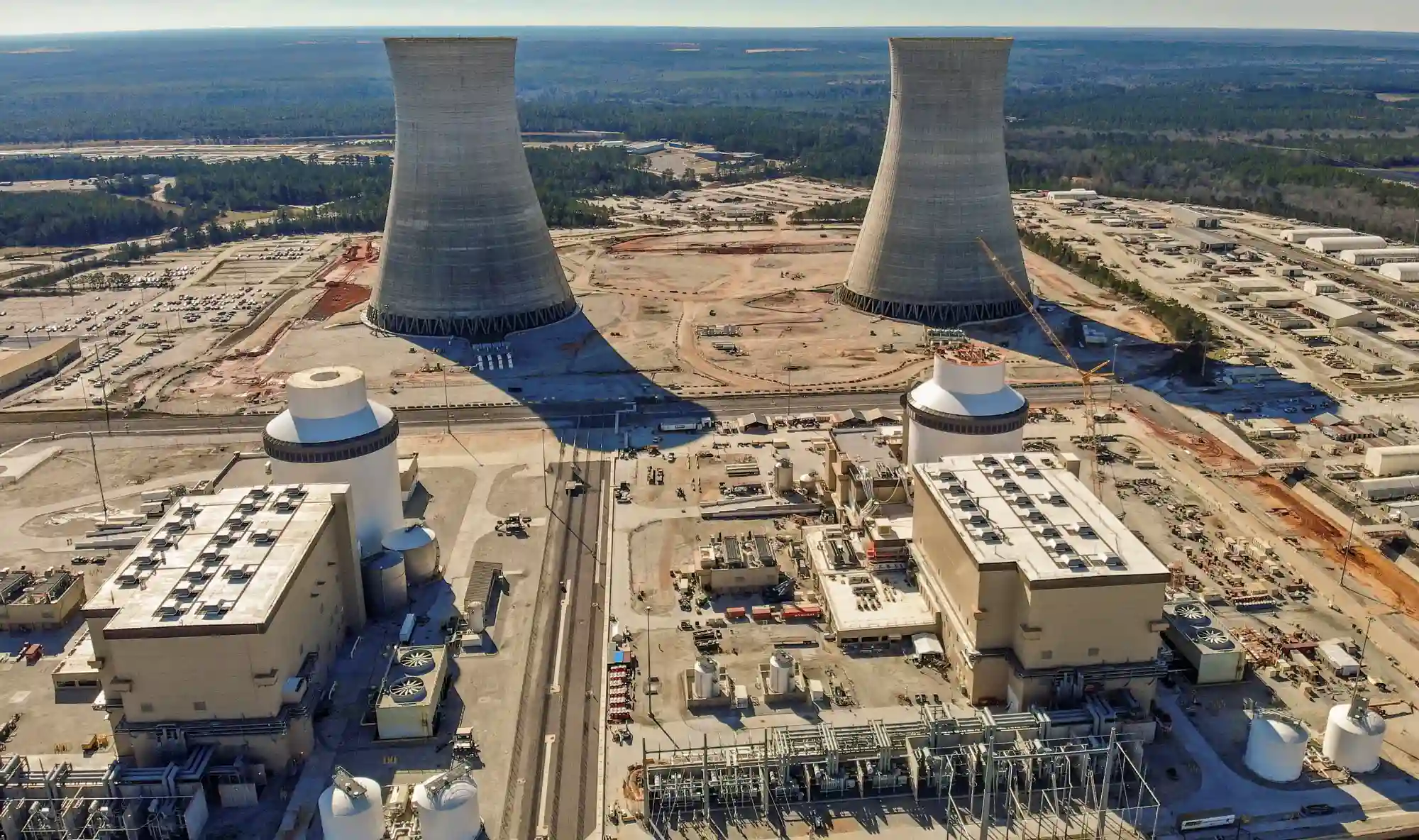
The Poland-U.S. partnership is grounded in proven delivery. At Plant Vogtle in Georgia, we completed the first new nuclear units built in the United States in more than three decades. The second AP1000 unit was constructed 30 percent more efficiently than the first, a demonstration of what disciplined execution, repeatable processes, and experienced teams can achieve.
That experience is already shaping work in Poland. Agreements this year with Arabelle Solutions for steam turbine generators and with Polish firm DORACO for civil preparation work mark major milestones. Financing is advancing as well: PEJ and the U.S. Export-Import Bank signed the first direct loan agreement between EXIM and a Polish entity, a clear sign of long-term U.S. support for Poland’s energy goals.
Under our Engineering Development Agreement, progress continues across design, licensing, geological surveys, and early procurement — the quiet, essential work that sets the foundation for successful construction.
Building More Than a Power Plant
Much work remains and the Poland-U.S. collaboration is proving something vital: that when governments, industries, and allied nations align, nuclear projects move from aspiration to construction to long-term energy security.
The Trade Mission last week is an expression of that model — suppliers engaging early, learning what it takes to participate, and preparing to join a generational national investment.
What we are building in Poland is far more than the nation’s first nuclear plant. It is the foundation of a new industry. It is a path to lasting economic and energy independence. And it is a template for how the global nuclear renaissance will be built, partner by partner, milestone by milestone, nation by nation.
Dena VolovarPresident, Nuclear, Security & Environmental
Poland’s Nuclear Program: A Model for Energy Independence Through Strategic Localization
By: Dena Volovar
This week, a delegation of more than 25 Polish supplier CEOs will arrive in Washington for the Poland Reverse Trade Mission, organized by the Nuclear Energy Institute and Poland’s Chamber of Power Industry and Environmental Protection.
Brendan Bechtel on Rebuilding America’s Leadership in Nuclear Power
By: Brendan Bechtel
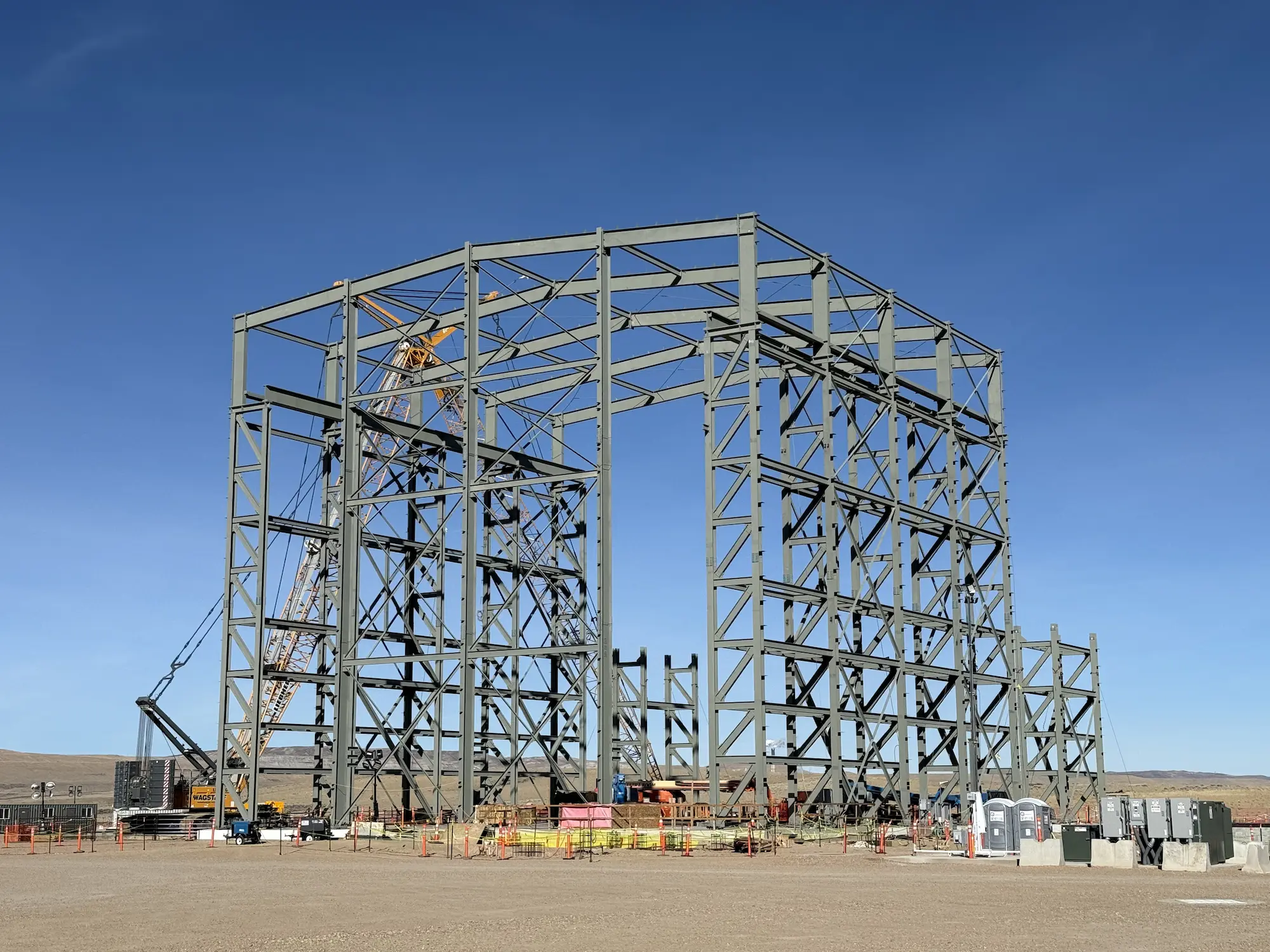
The U.S. is once again building and innovating in nuclear power. This week, the second of two new nuclear units went into service in Georgia. Meanwhile, developers in Wyoming just filed permit applications for America’s next nuclear plant, Natrium.
Ahmet Tokpinar, General Manager of Bechtel’s Nuclear Power Business, Discusses Progress on Poland’s Nuclear Power Plant
By: Ahmet Tokpinar
Bechtel and Westinghouse are constructing Poland’s first nuclear power plant. In early September, NS&E General Manager Ahmet Tokpinar, President and COO Craig Albert, and other company leaders traveled to Poland to visit the project site and meet with Polish officials...
Westinghouse and Bechtel Welcome Polish Trade Mission to U.S.
This week Westinghouse Electric Company and Bechtel welcomed a trade mission from Poland, bringing senior executives from Polskie Elektrownie Jądrowe (PEJ) and leading Polish suppliers to the United States to strengthen transatlantic cooperation for nuclear energy.
The Bechtel team responsible for delivering Poland’s first nuclear power plant will utilize new office Bechtel, a leading engineering, procurement, construction, and project management company, today announced the opening of a new office in Warsaw, Poland, to support the delivery...
Bechtel and Warsaw University of Technology Launch Nuclear Energy Career Development Program
Bechtel announced today that it has signed an agreement with the Warsaw University of Technology to develop a new career development program to support training professionals interested in building and operating Poland’s first nuclear power plant in the Pomeranian municipality...