This website uses cookies and other tracking technologies to enhance navigation, facilitate feedback, analyze usage of our products and services, support marketing efforts, and deliver third-party content. View our Privacy Policy.
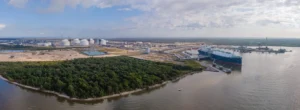
Bechtel is at the forefront of constructing innovative battery manufacturing facilities in the U.S. Our expert team ensures compliance with local codes and standards, conducts thorough pre-inspections, and manages permitting, startup processes, and risk identification.
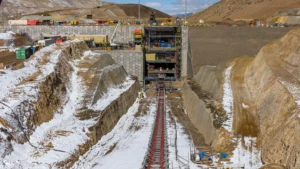
The Bechtel-built mine, one of the largest copper resources, features a first-of-its-kind desalination plant and will operate on 100% renewable energy by 2025.
Bechtel is delivering one of Australia’s largest infrastructure projects — a state-of-the-art airport designed to handle 10 million passengers annually.
At Bechtel Limited and Bechtel Management Company Limited (together, “we” or “our”), our energy and infrastructure projects improve people’s lives, strengthen communities, and support the economy. We provide practical, high-quality solutions that enhance connectivity, efficiency, and long-term value. Across sectors — including aviation, transport, communications, defence, and power — our projects help shape a modern, well-connected UK, where businesses and communities can thrive.
We are committed to creating lasting, meaningful benefits for the communities where we live and work and for society at large. By working closely with local partners, customers, and suppliers, we deliver projects that reflect local priorities, meet stakeholder needs, and leave a positive and enduring legacy.
Guided by this approach, we create social and economic value in the following ways.
1. Protect People and the Environment
We strive to create fair work and high-quality, meaningful jobs and apprenticeships.
Through our UK Diversity & Inclusion programme, Employee Resource Groups, and partnerships with specialist organisations, we aim to support an inclusive workplace and consider ways to reduce barriers to entry and progression for underrepresented groups.
We strive to foster a proactive and supportive culture of health and well-being by providing evolving Health & Well-Being initiatives across projects, offices, and the communities in which we operate.
We aim to minimise and mitigate environmental impacts during project delivery, while exploring opportunities to enhance the natural environment where possible.
We maintain systems and processes to avoid complicity in practices that constitute modern slavery and human trafficking. We also maintain policies on modern slavery and human trafficking that reflect our commitment to maintaining a work environment free from modern slavery and human trafficking.
We aim to progress towards Net Zero, clean energy and climate-resilient infrastructure.
We strive to invest in solutions designed to enhance sustainability and environmental stewardship.
2. Partner with Communities and Society
We explore opportunities to engage with charities, schools, and community organisations to better understand local needs and inform recruitment and stewardship considerations.
We aim to design initiatives that align with community priorities and leverage our expertise and resources where possible.
We seek to support broader participation in STEM education, outreach, training, and employment programmes, particularly for underrepresented groups.
We strive to foster connections with community groups to inform approaches that may encourage inclusivity for people with disabilities in the workplace.
3. Promote Economic Development
We aim to provide a range of opportunities for skills development, career growth, and meaningful employment.
We seek to identify and highlight opportunities for local people, contractors, and suppliers, including small and medium-sized enterprises; voluntary, community, and social enterprises; start-ups; and mutuals.
We look to create employment, upskilling, and training opportunities, through partnerships within our operations and, where appropriate, through our supply chain.
We collaborate with our customers, communities, supply chains, and other stakeholders to explore innovative and creative approaches in project execution.
In accordance with the U.K. Government legislation requiring U.K. companies with 250 or more employees to publish their gender pay gap annually, we present our UK gender pay gap reports. The gender pay gap is defined as the difference in average pay between all males and all females within a company, regardless of position or job.