This website uses cookies and other tracking technologies to enhance navigation, facilitate feedback, analyze usage of our products and services, support marketing efforts, and deliver third-party content. View our Privacy Policy.
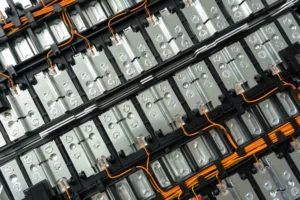
Bechtel is at the forefront of constructing innovative battery manufacturing facilities in the U.S. Our expert team ensures compliance with local codes and standards, conducts thorough pre-inspections, and manages permitting, startup processes, and risk identification.
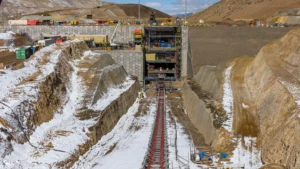
The Bechtel-built mine, one of the largest copper resources, features a first-of-its-kind desalination plant and will operate on 100% renewable energy by 2025.
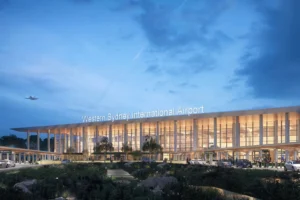
Bechtel is delivering one of Australia’s largest infrastructure projects — a state-of-the-art airport designed to handle 10 million passengers annually.
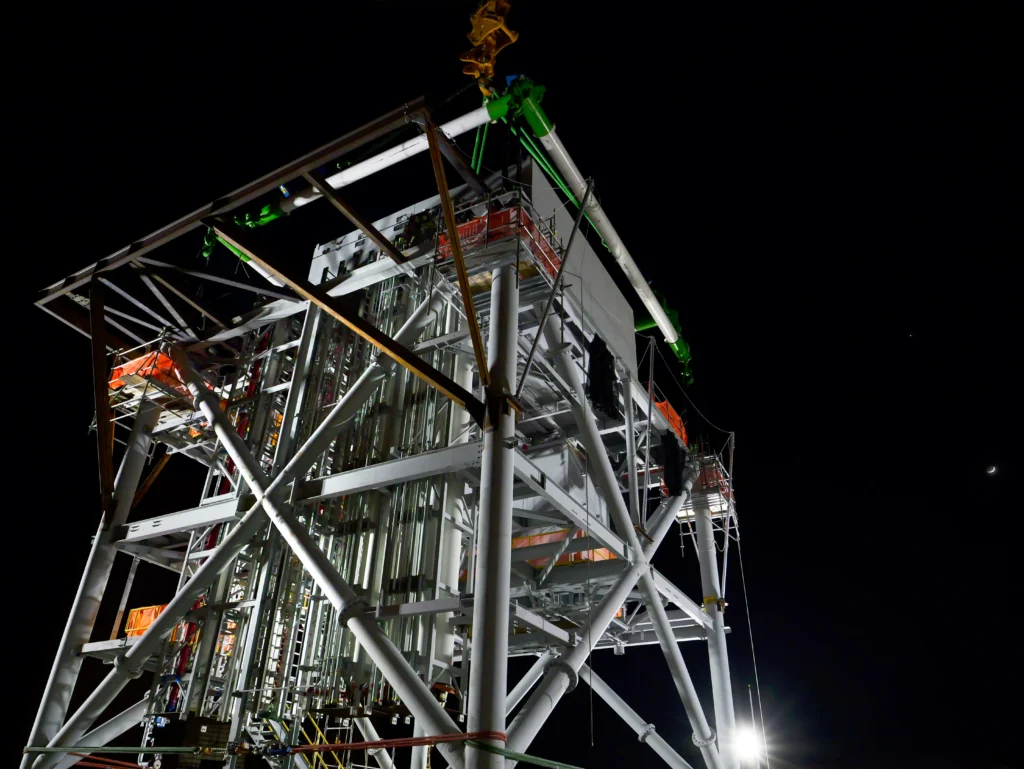
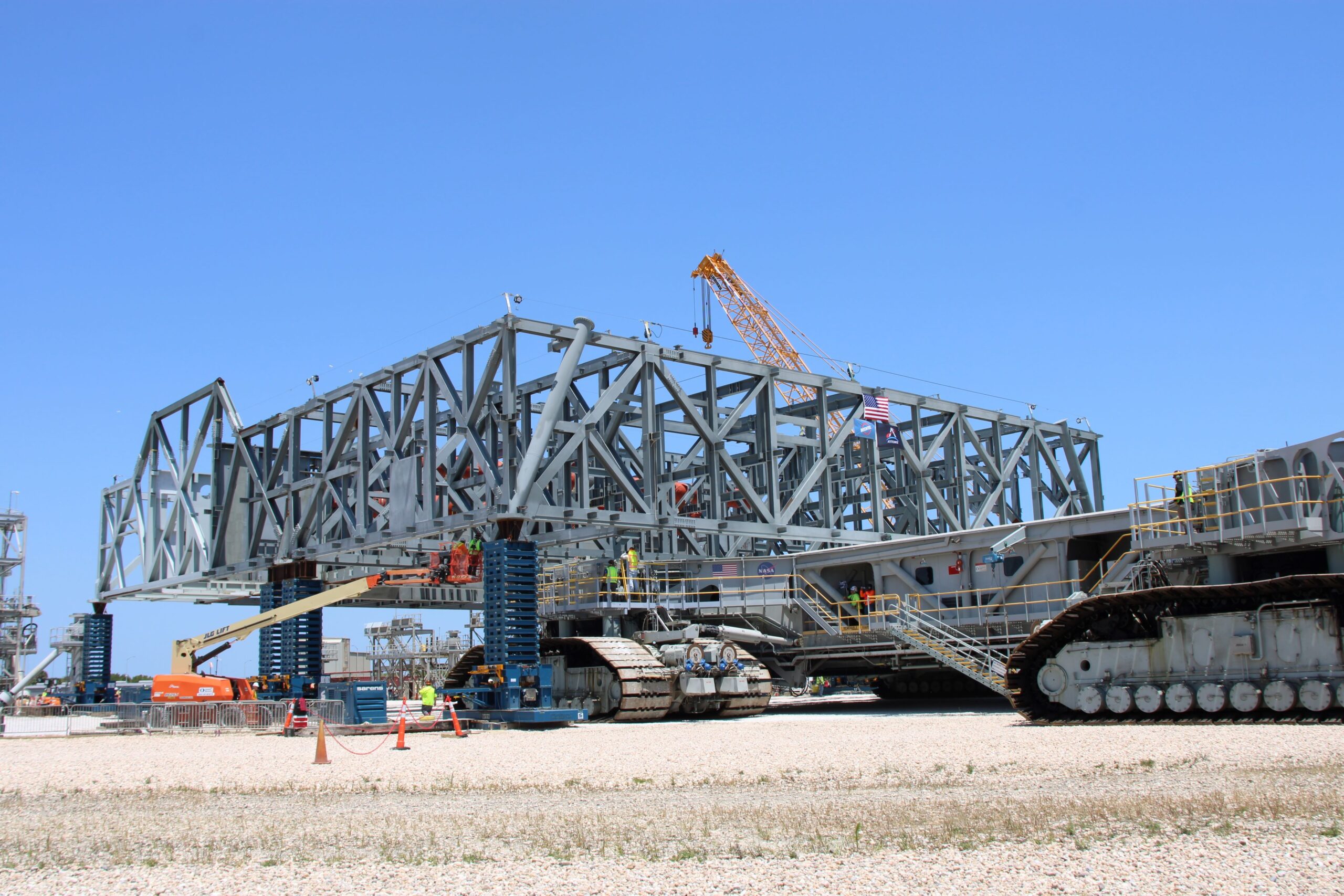
Bechtel is proud to partner with NASA in their pursuit to safely send astronauts to the Moon and Mars as part of the agency’s Artemis program. We’re designing, procuring, building, testing, and commissioning Mobile Launcher 2 (ML2) — a bigger, stronger, smarter launch platform that will allow NASA to assemble, transport, service, and launch the largest iteration of the Space Launch System (SLS) rocket.
With more than 127 years of experience, Bechtel is proud to partner with NASA on a shared mission to turn their vision into reality. Working from Kennedy Space Center, our team is providing project management, architectural and engineering design, technical integration, fabrication, construction, testing, commissioning, and quality control services.
NASA has entrusted Bechtel to deliver this critically important launch platform, which will support the most ambitious human spaceflight missions of this century. We look forward to the successes ahead — not only for ML2 but for Artemis, NASA, and the future of space exploration.
The Modular Solution to Safe, Efficient Construction
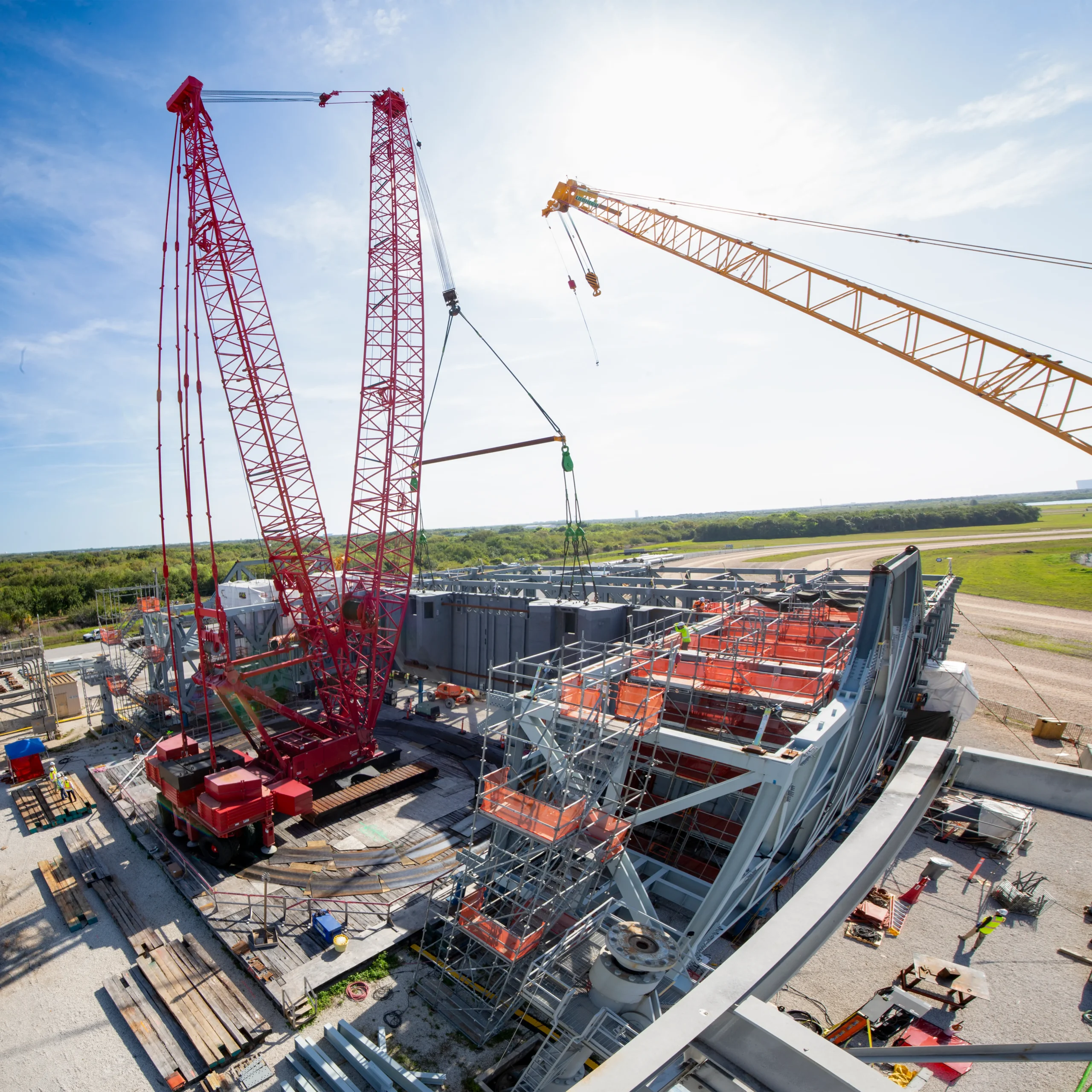
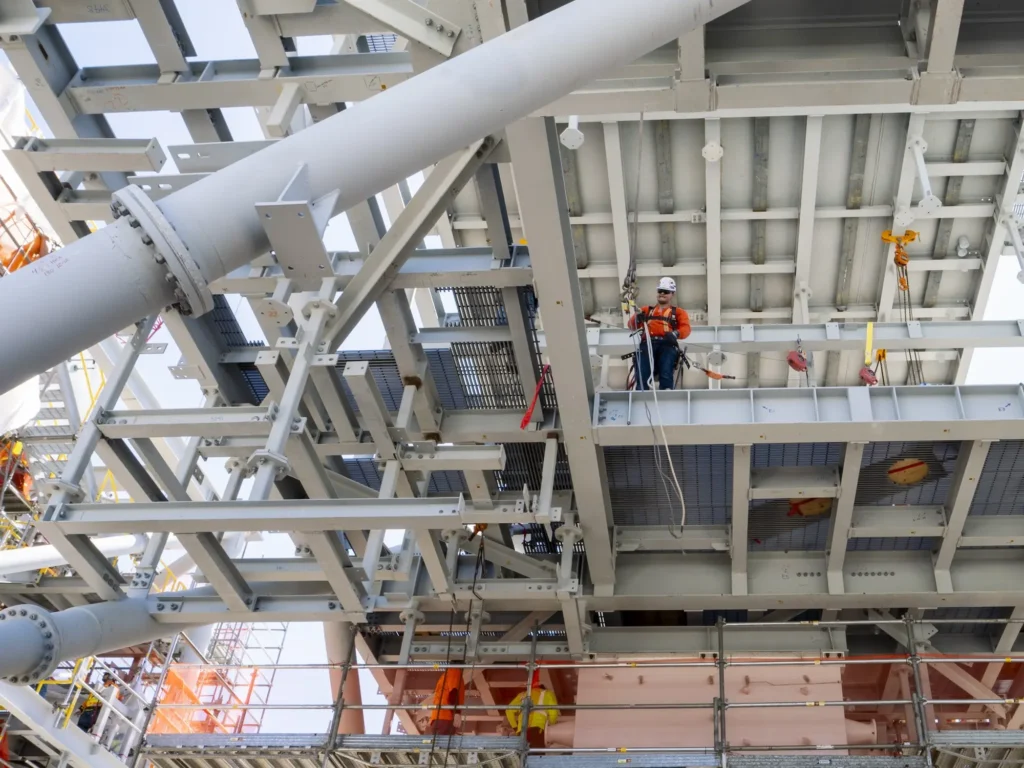
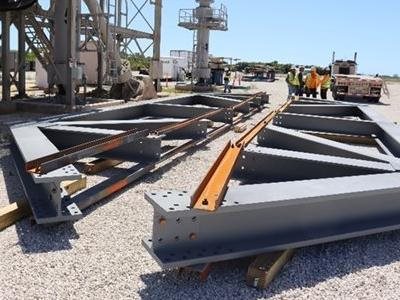
To improve safety and efficiency during construction, the team separated ML2’s assembly between two sites to allow teams to work simultaneously and as close to ground level as possible. While one team assembled the base and tower chair at the ML2 Parksite next to NASA’s Vehicle Assembly Building, another team built ML2’s tower modules at the Mod Yard near NASA headquarters at Kennedy Space Center.
This modular approach eliminated unnecessary work at extreme height, decreased risks from overhead loads, and made overall assembly of ML2 more efficient than traditional “stick-built” construction, where structures are assembled piece by piece at a single location.
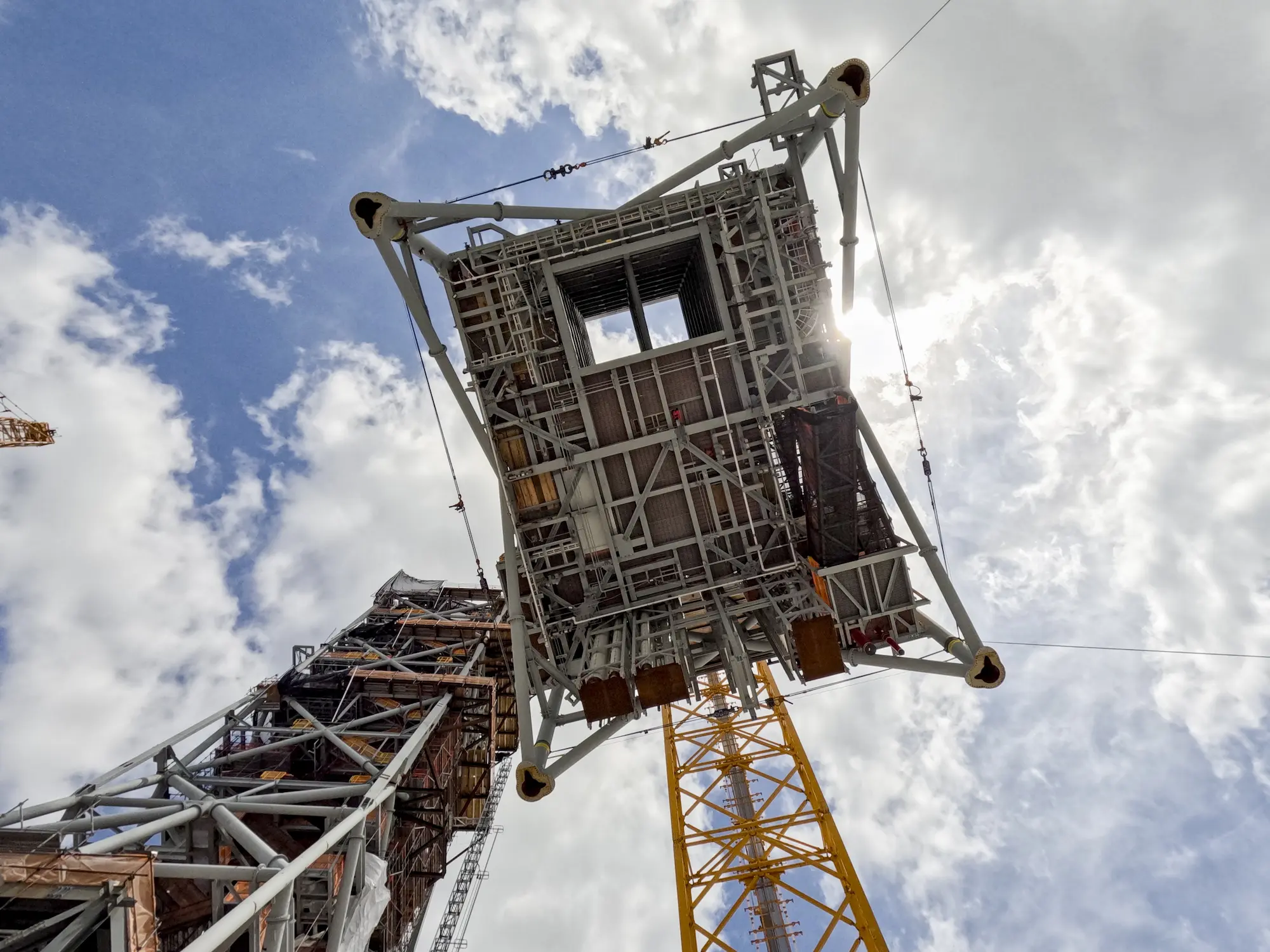
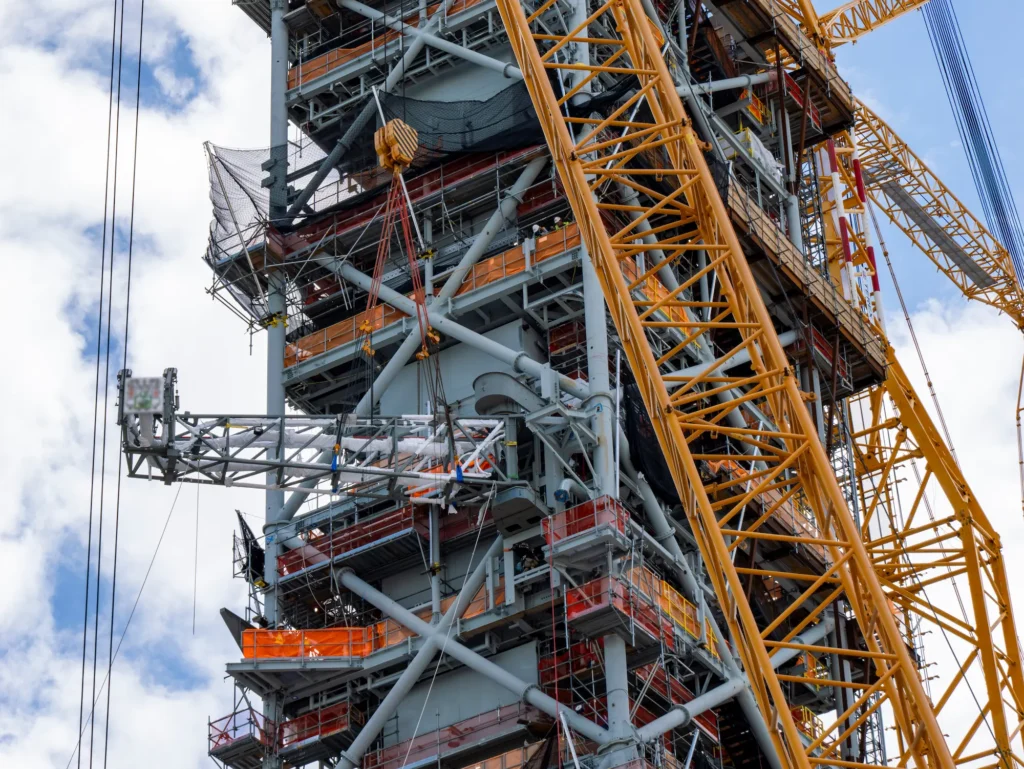
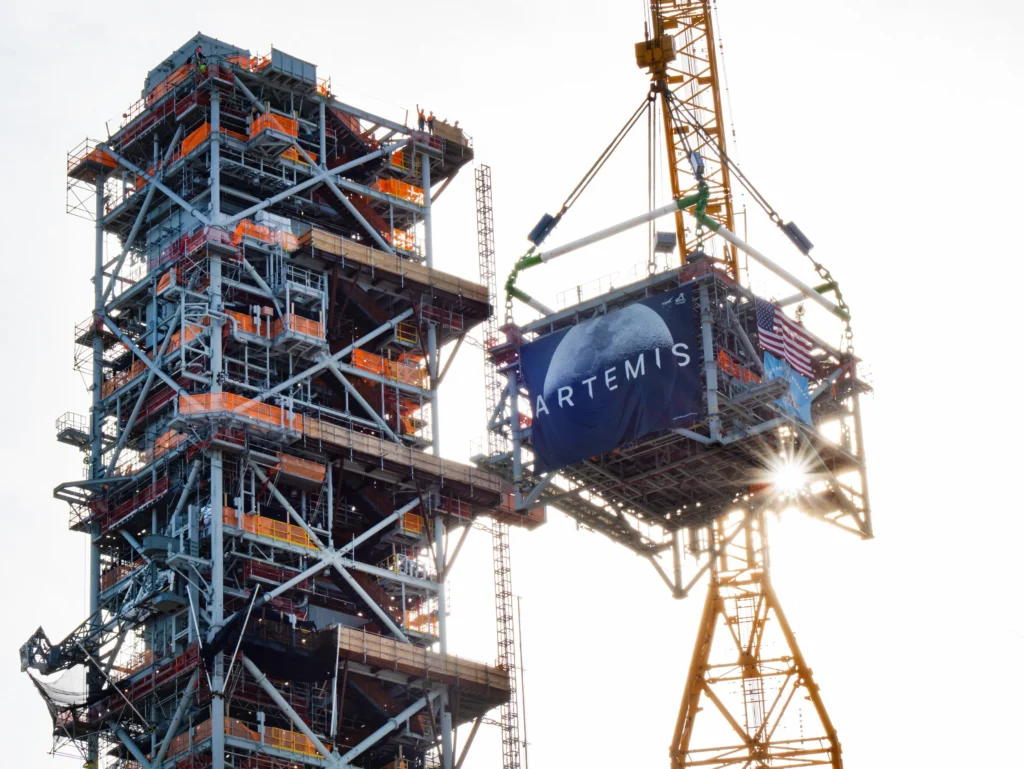
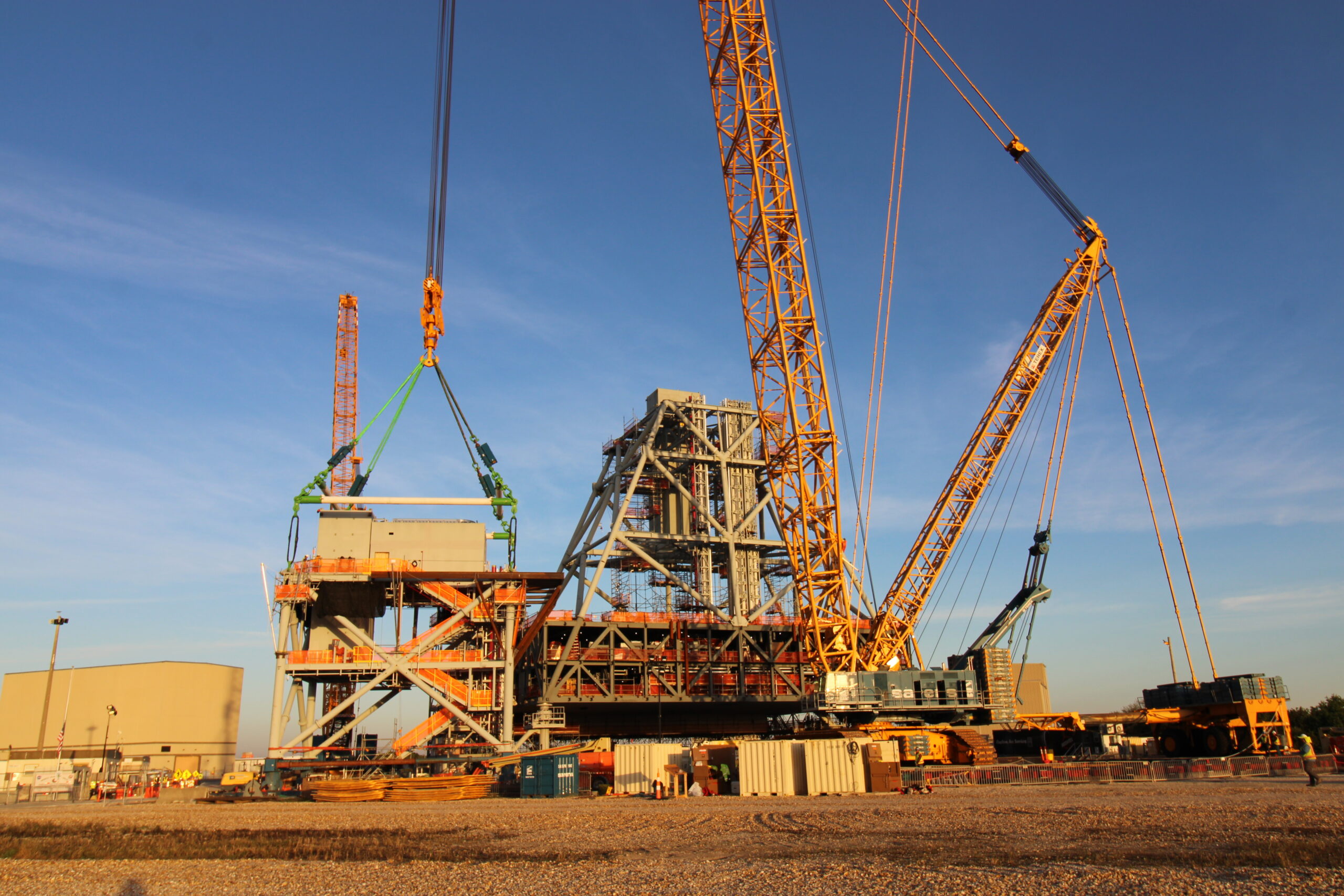
At the end of 2024, ML2’s lowest-elevation tower module, Mod 4, became the first module to complete the six-mile journey from the Mod Yard to the Parksite — making for a memorable sight as it traveled across Kennedy aboard two self-propelled modular transporters. Stacking Mod 4 onto the base marked the start of ML2’s vertical growth. Over the next six months, ML2 grew 270 feet in height, module by module, reaching its full structural height of 377 feet with the final stacking of Mod 10 on July 2, 2025.
Click on each level to see how ML2’s tower comes together.
0 – 25 feet
Building the Base
To stand up to the launch induced stresses of launching NASA’s SLS Block 1B rocket, ML2’s engineering features a stiffer structural design than ML1. 43 steel super-assemblies form the base and house an improved Ignition Overpressure and Sound Suppression system to help protect the base and critical equipment from the concussive forces of the SLS during liftoff.
25 – 105 feet
Distributing the Load
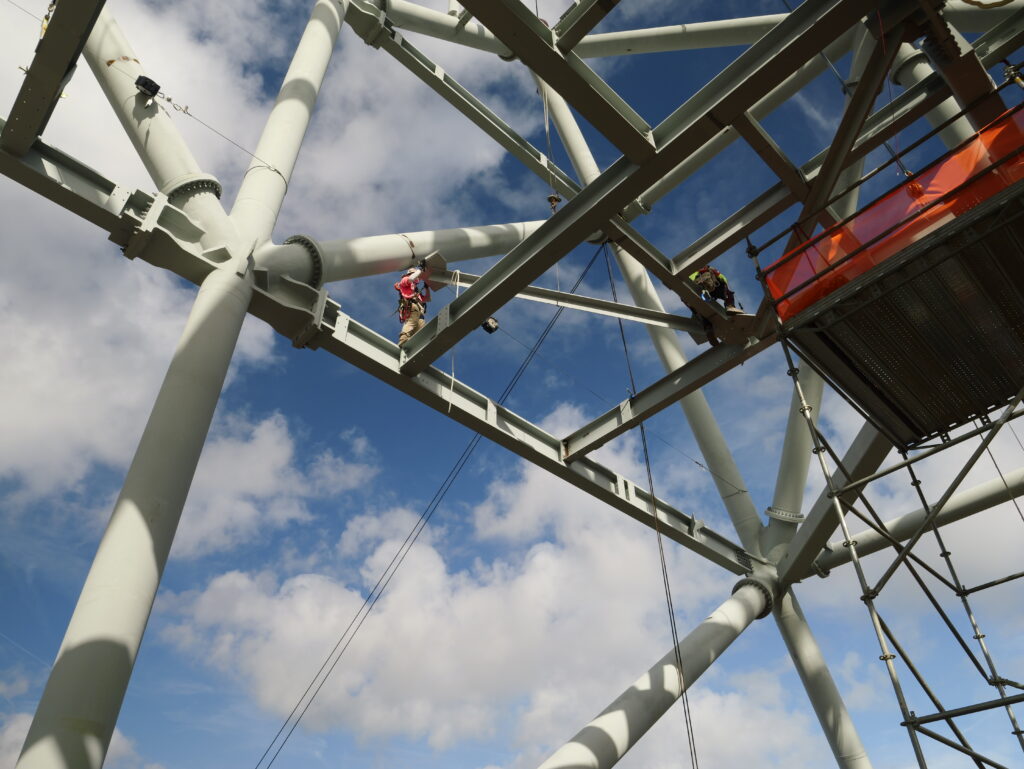
Erected on top of the base is the tower’s foundation: Tower Chair. It distributes the immense weight of the tower across the base to heavily reinforced strongpoints. The 80-foot-tall superstructure is built of specially engineered, semi-hollow cast steel “nodes” and columns—an innovation critical to building a launch tower that is strong but also mobile using NASA’s crawler-transporters to get to the launchpad.
105 – 160 feet
Starting to Stack
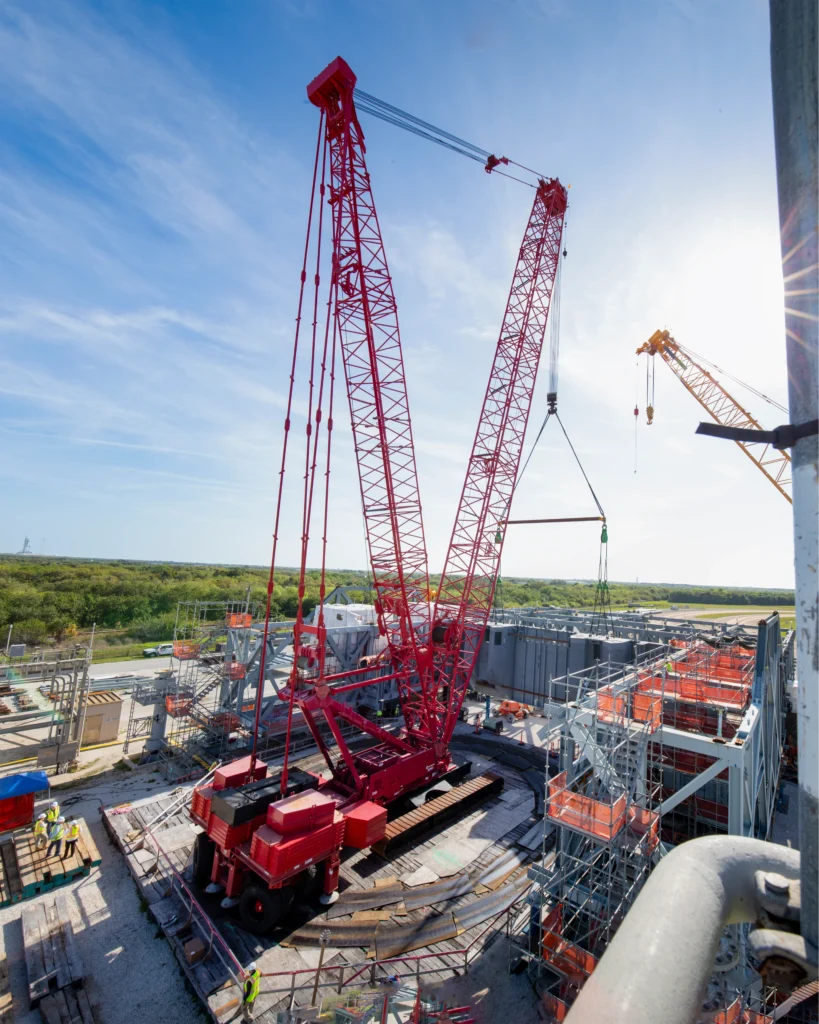
Mod 4 was the first tower module, or mod, to be stacked on top of the Tower Chair. ML2’s successful “Rig and Set Mod 4” operation Jan. 3, 2025, marked the start of an exciting period of vertical growth of the launcher’s tower section—module by module. Weighing 550,000 pounds, Mod 4’s installation required the use of one of the world’s largest cranes.
145 – 200 feet
Protecting Critical Systems
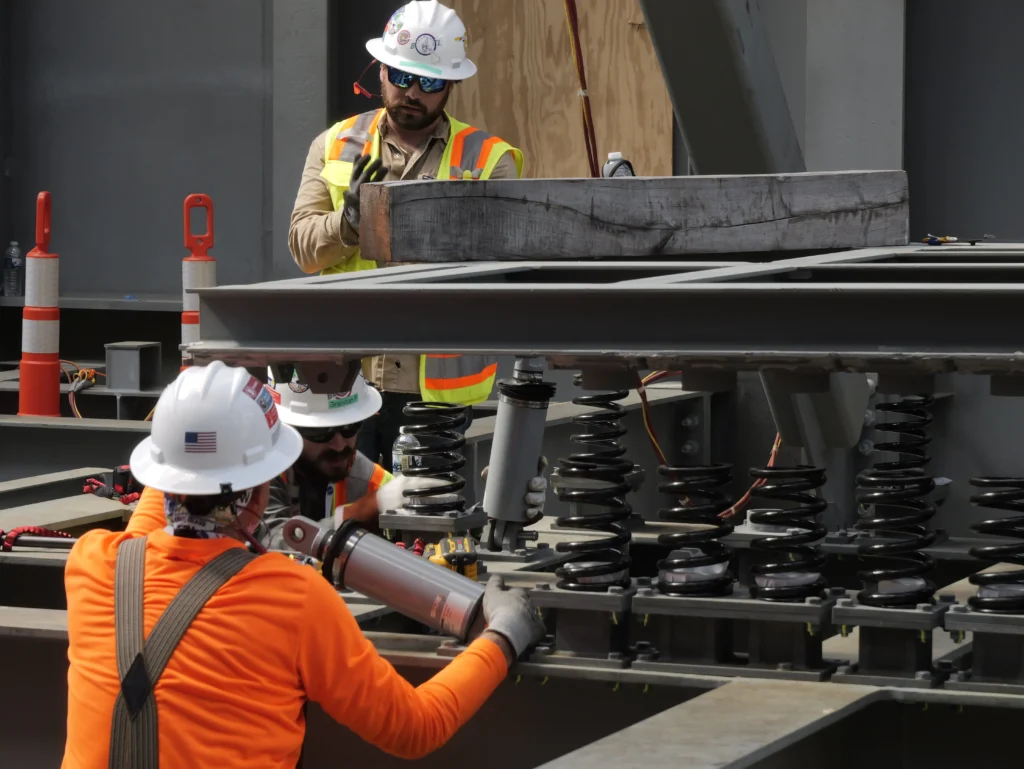
ML2’s design follows lessons learned from ML1 and the maiden launch of NASA’s SLS Block 1 rocket in 2022. Like ML2’s other tower modules, Mod 5 features a wider cross section, at 40 by 50 feet, and a repositioned elevator shaft. These design features reinforce ML2’s other hardware protection measures like the base’s improved IOPSS system, as well as shock isolators built to cushion subsystems during launch.
185 – 240 feet
Stabilizing SLS
ML2’s tower section will be the SLS’s backbone during vehicle assembly and rollout. Mod 6 is critical to help keep the SLS stable. It features the Vehicle Stabilizer (VS) umbilical, a vertical hinge-mounted interface that will support the SLS’s core stage before dropping away just before liftoff. The VS was redesigned for ML2 to support a range of loads to accommodate different SLS configurations including the Block 2 crew and cargo intervals.
240 – 276 feet
Connecting to Controllers
Attached to the top of Mod 7’s 40-feet-tall frame is ML2’s Payload Accommodation Subsystem—a new capability for ML2 that was not deployed on ML1. This highly adaptable subsystem will interface between SLS payloads and Kennedy’s Launch Control Center, allowing NASA controllers to monitor, test and issue launch commands to the SLS and Orion flight hardware.
265 – 320 feet
Fueling Up
Mod 8’s installation added another 40 feet in length to the system of pipes and cables that will ferry cryogenic fuel, gases, power, fire retardants and more to ML2’s subsystems and to SLS and Orion. Mod 8 will also be the anchor point for the Exploration Upper Stage Umbilical, a new umbilical designed to interface between ML2 and the SLS Exploration Upper Stage, which NASA will first use on the maiden SLS Block 1B in 2028 during Artemis IV.
305 – 342 feet
Servicing Orion
Mod 9, topping out at a structural height of 342 feet, will support NASA’s Orion Service Module Umbilical. The OSMU is critical tilt-back umbilical that will interface between the Orion spacecraft and ML2’s subsystems, as well as support Orion’s array of electronics, environmental control system and the Launch Abort System.
345 – 377 feet
Reaching the Top
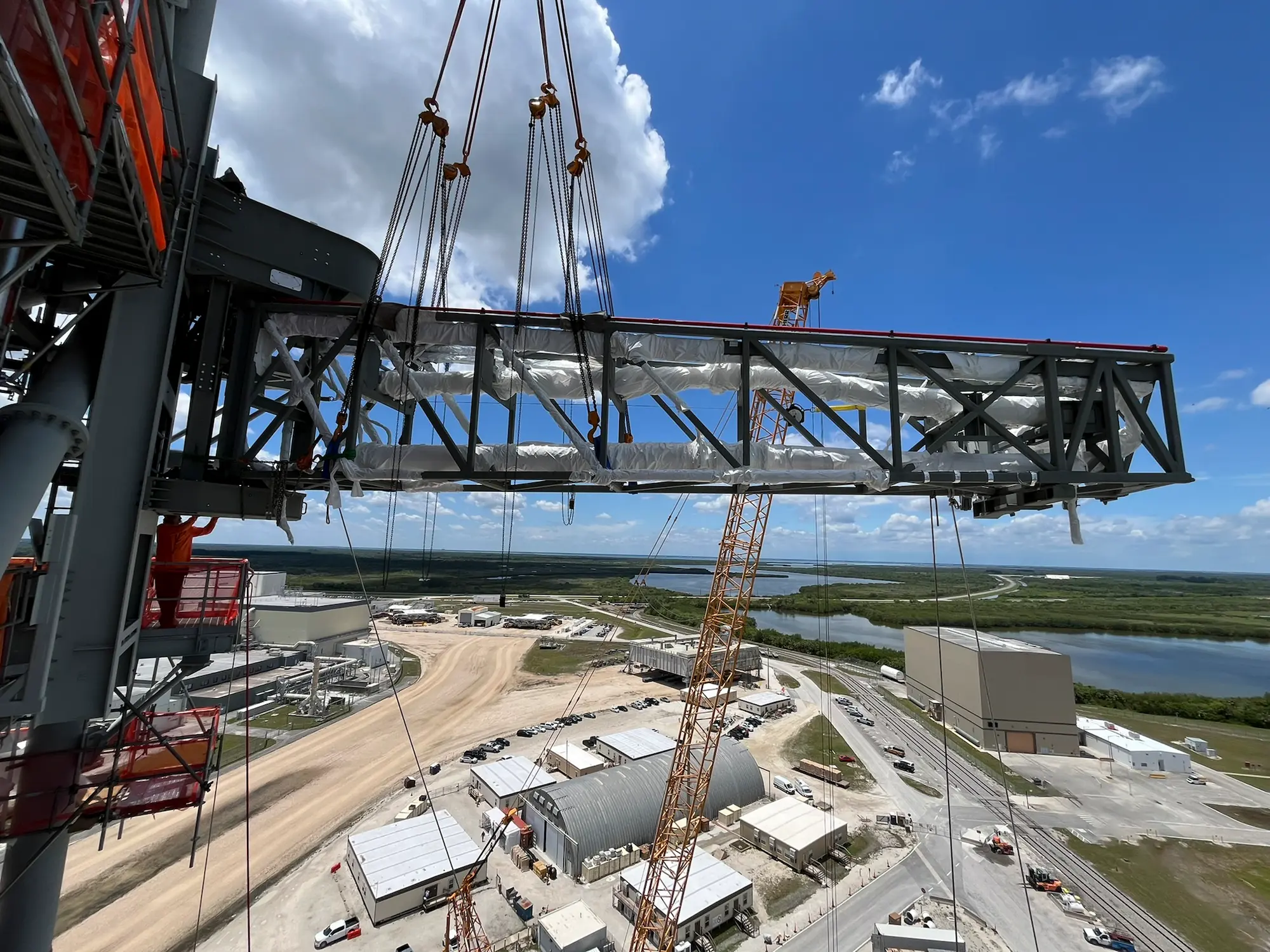
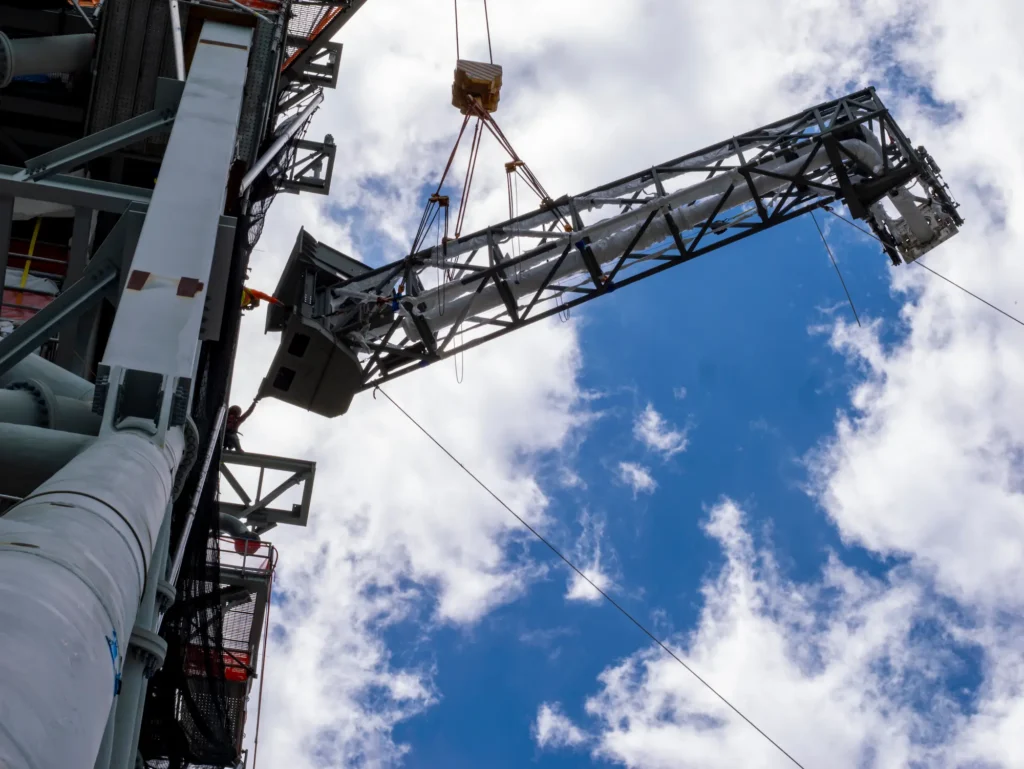
Mod 10’s “Rig and Set” milestone, reached in July 2025, completed ML2’s growth spurt that added 272 feet to the launcher’s height in less than six months. Reaching more than 350 feet above the base’s top floor, Mod 10 will support ML2’s Crew Access Arm, a retracting skybridge that can provide entry to a spacecraft.
Leveraging Our Expertise & Trusted Network to Deliver
With ML2 at full height, the team is focused on installing key systems — critical drop-away, swing-arm, and tilt-back umbilicals — that will connect the SLS and its payloads to ML2’s 50+ subsystems. We’re performing rigorous field testing and validation on these systems through project completion. Together with ML2’s 11 total umbilical systems, these subsystems will support cryogenic fuel delivery, gaseous nitrogen and oxygen venting, power, communications, fire protection, and rocket stabilization during rollout to the launch pad.
Our engineers have developed innovative solutions to integrate these systems within the launcher and design them to withstand extreme launch environments of 2,200 degrees Fahrenheit, blast pressures above 130 psi, and a liftoff thrust of more than 8.9 million pounds. This ensures ML2 is resilient, reliable, and ready for liftoff.
Bechtel’s skilled procurement team has worked closely with suppliers across the U.S. and around the world to secure the steel, supplies, and equipment needed to build the launcher. More than $660 million in procurements have been awarded to over 300 subcontractors and suppliers who have joined Bechtel in supporting NASA and the Artemis program. Materials used to assemble the mobile launcher have been sourced from nearly 40 states, including steel trusses that have traveled from Iowa, Kansas, Utah, Louisiana, and South Carolina. International support has come from suppliers in Brazil and Spain, which provided the cast steel used to build ML2’s tower modules and tower chair.
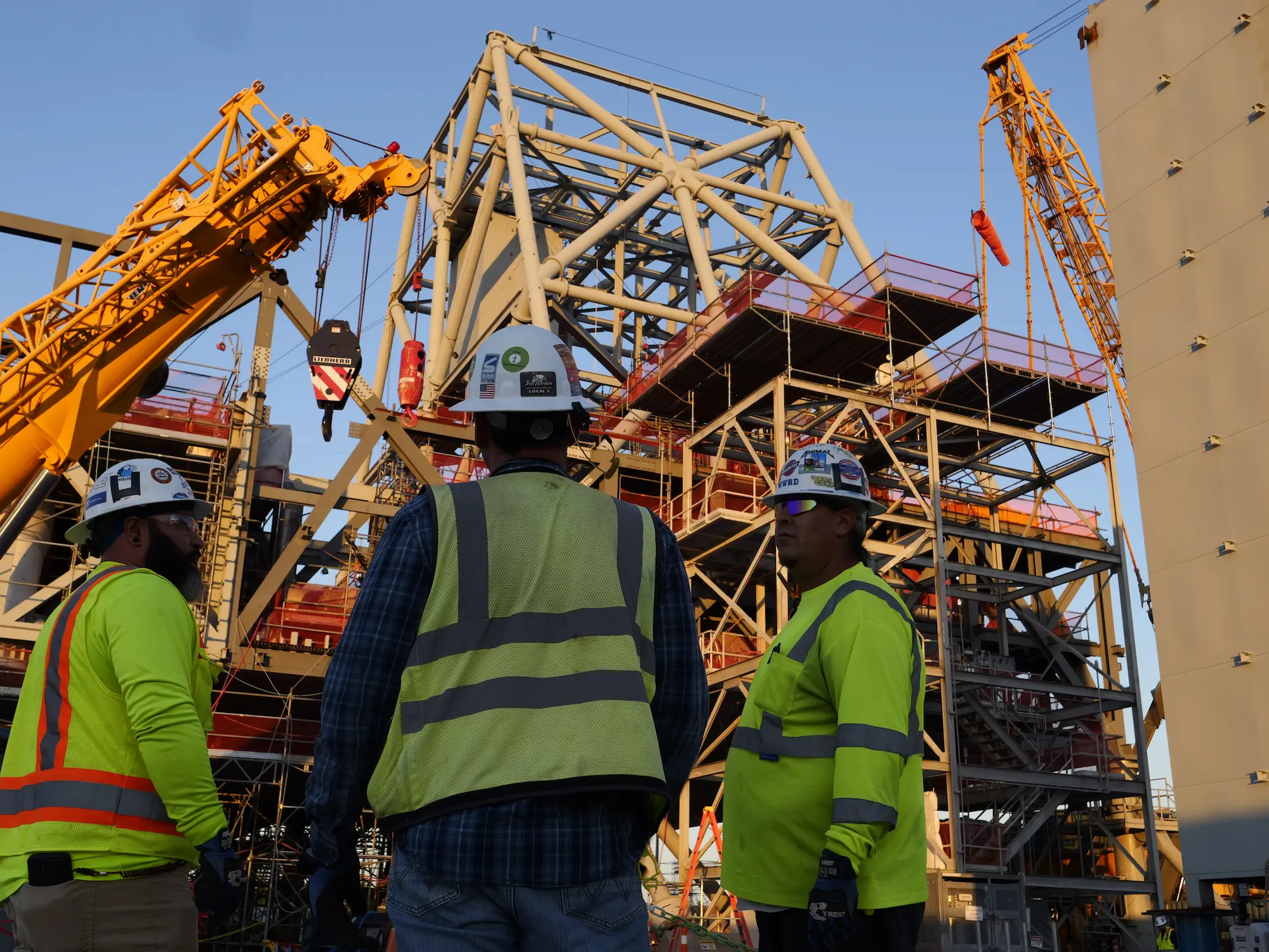
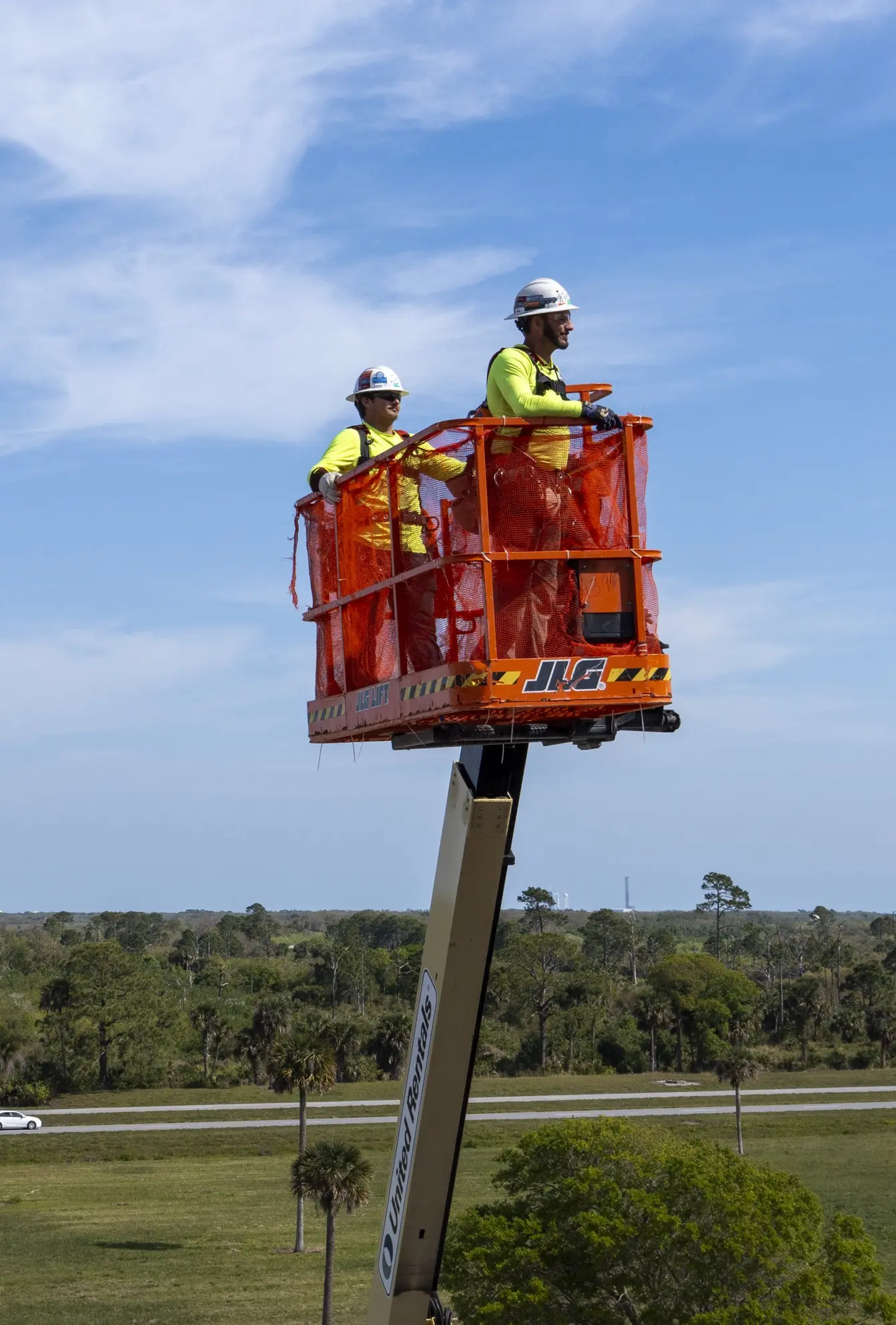
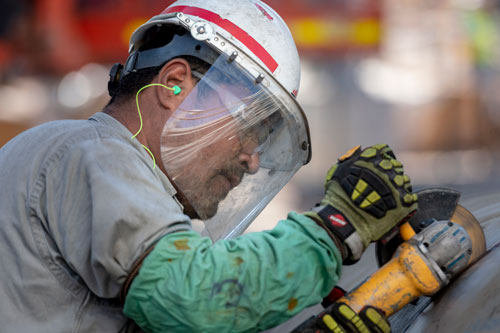
ML2’s transition into the construction phase of the project highlights Bechtel’s expertise in executing complex construction projects through partnerships with local talent. At peak construction, nearly 650 skilled craft professionals are needed across our construction sites at Kennedy to assemble the launcher. Pipefitters, electricians, ironworkers, plumbers, scaffolders, and heavy equipment operators are some of the experienced craft professionals who are having a hand in sending astronauts to the Moon and Mars during the Artemis program.
Contracting Small & Diverse Businesses to Increase Access to Opportunity
Bechtel is at its best when we partner with the local communities where we operate. This includes engaging small- and medium-sized businesses and giving back to the cities where we work and live.
Over 70% of Bechtel’s subcontract work and procurements for ML2 have gone to small business. This includes more than 30 small and diverse businesses located in Florida’s Space Coast. Support for this project ranges from providing engineering services and industrial supplies to manufacturing critical equipment needed to operate the launcher and support the SLS.
200+
Small Business Suppliers
Of the 307 total suppliers contracted to support ML2, 214 are small businesses.
65
Diverse Owners
Of those small businesses, 65 are women- or veteran-owned.
70%
of Contracts
Small and diverse businesses have netted more than two-thirds of all ML2 subcontract dollars.
Forging Local Partnerships to Build a Positive Legacy
Bechtel’s partnerships within the local Space Coast community go beyond helping make our customer’s ambitions a reality. By targeting support toward an array of nonprofits, the ML2 team’s fundraising efforts and charitable contributions have bolstered the missions of key community stakeholders around Kennedy and throughout the state.
A wide network of nonprofits received charitable contributions from the ML2 project and its employees last year. Nearly $60,000 in funding advanced 27 charity programs in the area, with aid geared toward empowering youth, fostering grassroots community building, supporting veterans, protecting Florida wildlife, and much more. The ML2 team is proud to partner with these organizations and support them in their efforts throughout the Space Coast.
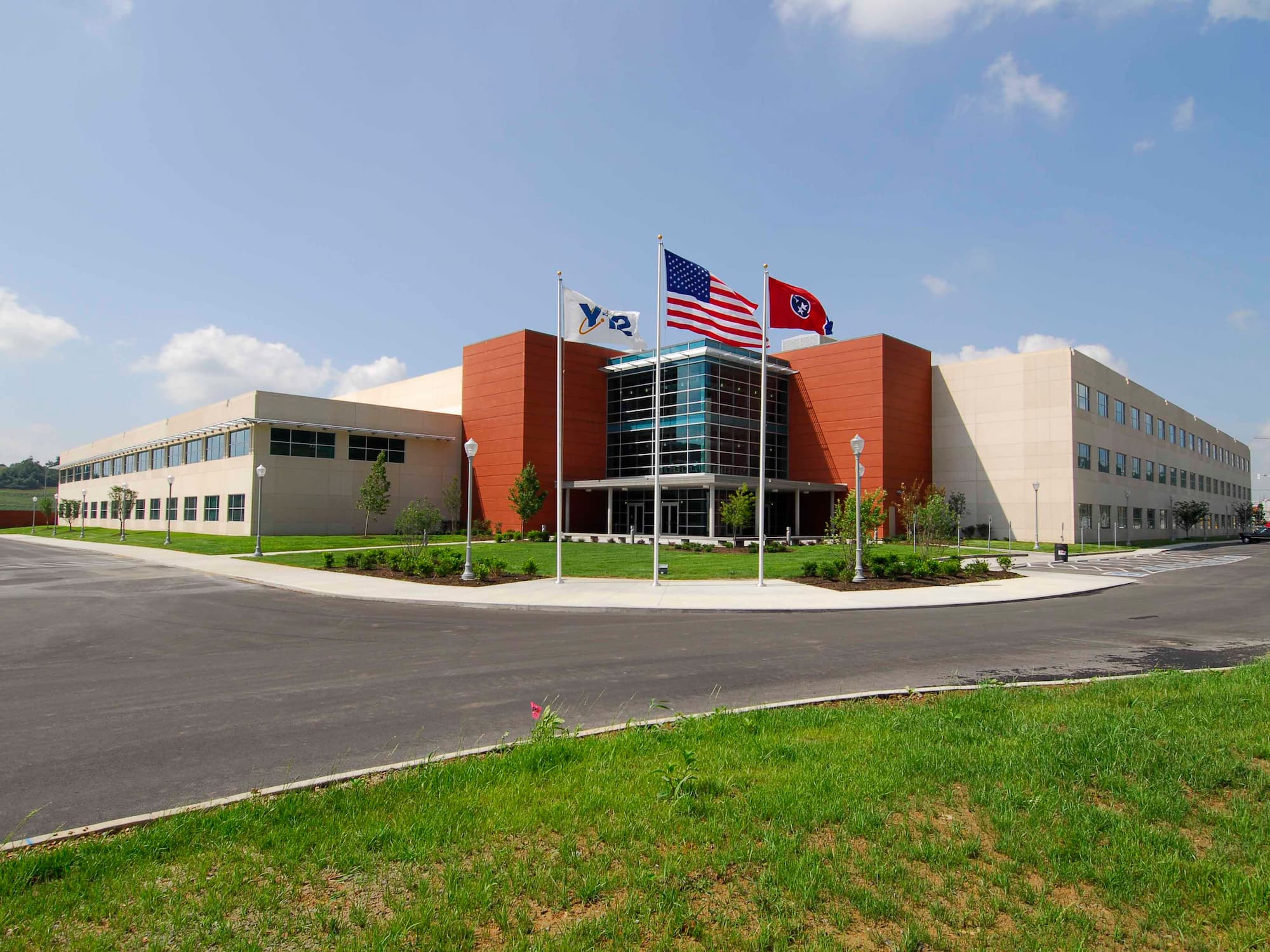
Bechtel-led CNS operates and modernizes the Y-12 National Security Complex, supporting U.S. nuclear deterrence, nonproliferation, and naval nuclear propulsion missions.
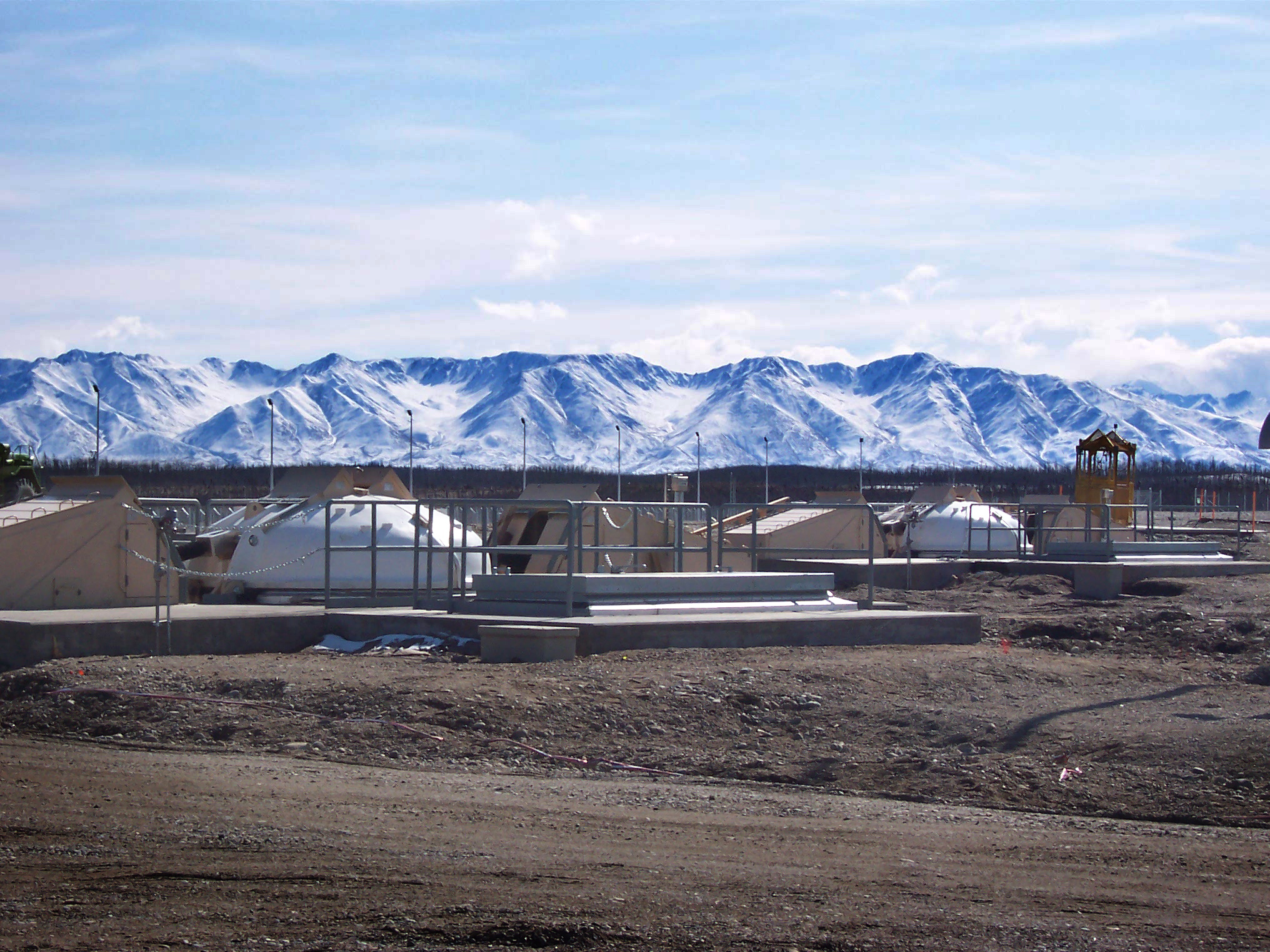
Bechtel built missile defense infrastructure for the U.S. Ground-Based Midcourse Defense system, enhancing national security with silo installations across key sites.
Bechtel-led team to enhance operations at Arnold Engineering Development Complex, the top U.S. aerospace testing hub, ensuring advanced flight simulations.
Bechtel today announced continued progress on NASA’s mobile launcher 2 as steel arrived on site for the first time earlier this month. Through our partnership with NASA, Bechtel is constructing mobile launcher 2 for Artemis missions. Mobile launcher 2 will...
Bechtel Lifts Next Section of New Launch Tower into Place at Kennedy Space Center
Latest construction milestone keeps ML2 project on track for completion Bechtel successfully lifted and placed the first tower module, Tower Module 4 (Mod 4), of the Mobile Launcher 2 (ML2) project, completing the Rig and Set process. This is the...
NASA Chooses Bechtel Team for Design/Build of Second Mobile Launcher for Next US Heavy-Lift Rocket
RESTON, Virginia, June 27, 2019 — Bechtel announced today it has been selected to return to the Space Coast in Florida and the space and launch infrastructure market. NASA has chosen Bechtel National Inc., along with teaming subcontractors, to design,...
One Year of Progress Building NASA’s Mobile Launcher 2
By: Mike Costas
How Collaboration and Innovation Drive Bechtel’s Mission-Critical Work We Live for a Challenge At the dawn of the Apollo program, in 1962, President John F. Kennedy urged the nation to embrace the challenge of space exploration. Addressing skeptics, he famously...
Bechtel joins the White House to discuss expanding pathways for skilled craft professionals.
By: Olivia Kalb
Brendan Bechtel, chairman and CEO of Bechtel and chair of Business Roundtable’s CEO Infrastructure Committee, joined senior administration officials and business and labor leaders at the White House today to discuss how the Bipartisan Infrastructure Law presents an opportunity to...
We are witnessing one of the biggest construction booms in modern history. Perhaps the biggest problem our industry currently faces is a shortfall of labor. Bringing in more women is essential to the success of the industry.