This website uses cookies and other tracking technologies to enhance navigation, facilitate feedback, analyze usage of our products and services, support marketing efforts, and deliver third-party content. View our Privacy Policy.
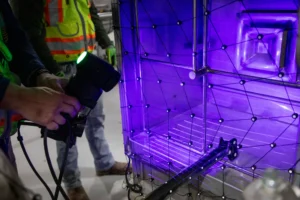
Bechtel is at the forefront of constructing innovative battery manufacturing facilities in the U.S. Our expert team ensures compliance with local codes and standards, conducts thorough pre-inspections, and manages permitting, startup processes, and risk identification.
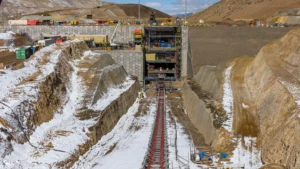
The Bechtel-built mine, one of the largest copper resources, features a first-of-its-kind desalination plant and will operate on 100% renewable energy by 2025.
Bechtel is delivering one of Australia’s largest infrastructure projects — a state-of-the-art airport designed to handle 10 million passengers annually.
Empowering America’s Construction Workers: The Key to a Prosperous Future
Craig AlbertPresident and Chief Operating Officer of Bechtel
8 min read
Share:
The Construction Worker Conundrum
This fall, as high school graduates from the Class of 2025 begin college, it’s a reminder that the share of students pursuing higher education has crept steadily upward for more than two generations—driven by the deeply ingrained belief, however outdated, that the only path to a meaningful career and middle-class security runs through the halls of academia.
Today, more business leaders, government officials, and students are recognizing that this is not the case. While a degree is essential for certain professions, the college-or-bust mentality has discouraged students from seeking alternatives that are equally vital to the health of our nation—namely the skilled trades. From my vantage point in the construction industry, this mindset shift couldn’t come at a better time, as the demand for new infrastructure has never been greater.
No Progress Without Builders
Every major technological invention, breakthrough, and leap in human progress starts with the people who build the infrastructure behind it. For example, as recent headlines make clear, artificial intelligence (AI) promises unprecedented productivity gains and life-saving breakthroughs—but only if we can build and power the data centers that drive it. That means more electrical power assets, more semiconductor factories, more transportation systems, more critical minerals for electrification, and more supporting infrastructure—all of which rely on assets built from concrete, steel, pipe, equipment, cables, and so on.
Without enough tradespeople, these mission-critical projects could face lengthy delays or fail to get off the ground at all. Rebuilding America’s construction workforce is no longer optional—it’s a national imperative.
At Bechtel, we’ve long recognized this, investing in changing perceptions of the industry and reigniting interest in the trades. And as the need for construction workers grows, we’re proud to share some of the ways we’re bringing more people into the fold.
Restoring Prestige to the Profession by Supporting Workers
Since time immemorial, builders have made life as we know it possible. They’ve turned scientists’ and engineers’ boldest ideas into physical realities—from the Roman aqueducts to the Hoover Dam, the interstate highway system, and even the internet.
By that logic, construction workers deserve the same respect we extend to military service members, first responders, or today’s top innovators for their contributions to society. Yet too often, the opposite has been true.
For decades construction work has been characterized as low-skilled, low-paid work—“a consolation” for those without college degrees. That view belongs to a bygone era.
Today’s reality is very different—and it must be recognized as such. At Bechtel, we make sure our culture reflects that. We call our builders “craft professionals,” because that’s exactly what they are: highly skilled experts who are as critical to our success as our engineers and project managers. They are the heart of our business, and we acknowledge that by embedding them into every part of our company.
Making Construction a Career of Choice
Advances in technology and the advent of much-needed regulations have made construction work safer, more productive, and more interesting—not to mention lucrative. Take welding: highly skilled welders at the beginning of their careers can earn $100,000 annually—without the crushing burden of student debt that weighs down so many of their college-graduate peers.
To that end, we make sure our construction jobs aren’t just jobs, but careers on which people can support their families. That means offering competitive wages, advanced training, robust benefits, paid vacation, and clear advancement pathways. It’s worth noting that as AI threatens to upend white collar work, the stability of a career in construction will become an even stronger selling point.
Of course, construction, while safe, is demanding work with stressors that differ from office jobs. If the industry wants more workers, we must be more mindful in caring for their physical and mental health. That’s why Bechtel has made mental health a core part of our broader safety program. Not only do we prioritize safety and wellbeing above all, but we believe mental health belongs under the umbrella of workplace safety across our industry—and every industry.
We’ve seen these efforts pay off. Bechtel has been able to avoid many of the labor constraints plaguing the industry. We currently have more than 15,000 craft professionals working on our LNG projects on the U.S. Gulf Coast—proof that when good opportunities arise, people seize them.
Maximizing the Construction Talent Pool
To increase the construction workforce nationally—and on a timeline that meets the urgency of the moment—we must widen the pool of potential American talent. Failure to do so risks irrevocably weakening our industrial base. Worse yet, we’ll see more foreign firms, with foreign workers in tow, trying to compete for construction projects on American soil—which will only serve to stunt the U.S. labor force, as well as the local economies that depend on these jobs.
The claim that there simply aren’t enough American construction workers is a convenient excuse. Bechtel has shown otherwise. Granted, foreign labor—when it’s legal and deployed sparingly as a stopgap—is sometimes necessary. But the real solution is to work with communities, unions, and other partners to highlight career opportunities in construction and equip people with the skills they need to fill these roles.
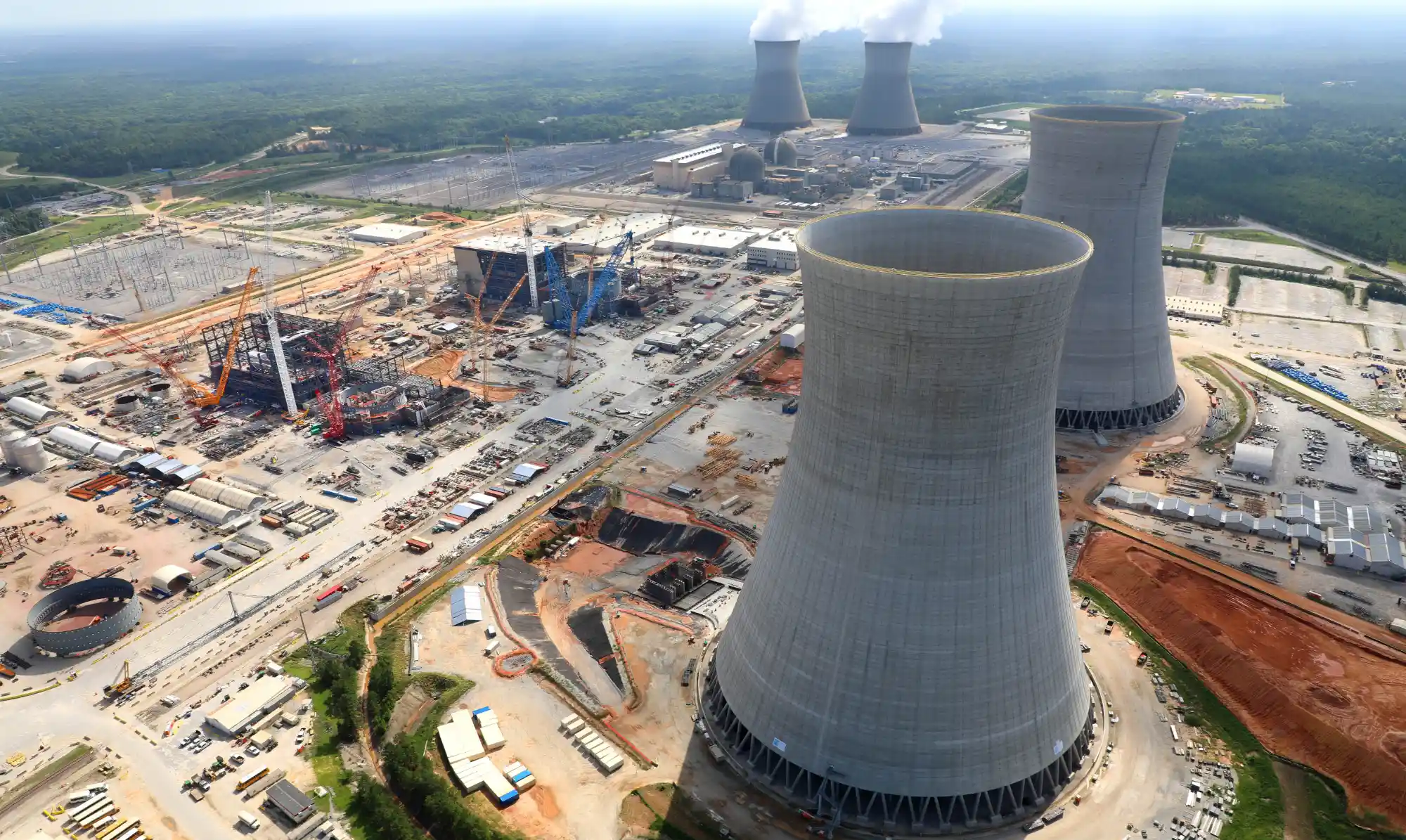
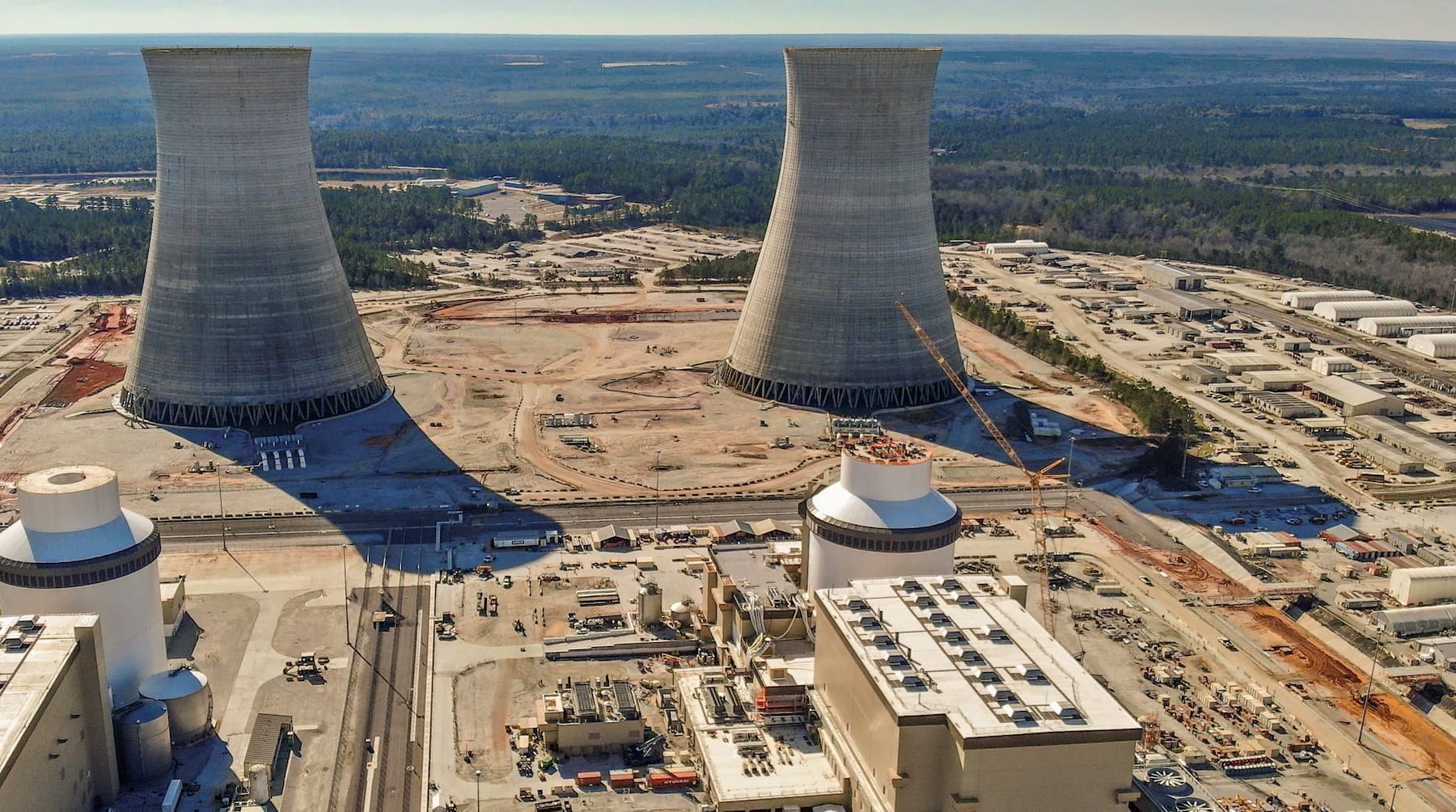
At Bechtel, we’ve found success partnering with local high schools and colleges to create pathways into construction through training programs. We’ve also teamed up with organizations that connect with local workers and underrepresented groups. For instance, at Plant Vogtle, we partnered with the National Building Trades Unions to bring on apprentices and with the nonprofit Helmets to Hardhats to attract veterans. In the end, more than 30% of our hires were veterans and reservists, and over 40% of our apprentices were women.
Outreach to women is particularly important when you consider that, in the U.S., women comprise nearly 50 percent of the workforce but hold just 4 percent of construction jobs. Attracting new workers to the profession becomes a lot harder if we only draw from half the adult population.
The education sector has a role to play, too. Beginning in 2026, Pell Grants will cover vocational training, hopefully spurring more interest among prospective students. The next challenge is ensuring high schools, community colleges, and industry partners have the capacity to create strong vocational programs that prepare the next generation of builders. Here too, it’s incumbent on companies within our industry to broker partnerships and collaborations across these institutions.
Improving How Construction Projects Are Delivered
Contrary to popular belief, construction is far from a stagnant profession. While studies note its productivity hasn’t risen as quickly as other industries, that view misses the real story.
Continuous innovation and investment have improved the whole construction ecosystem. Environmental and social requirements run through the entire value chain, while quality standards and material traceability are central to today’s construction practice. Combined with increased safety standards, all of these improvements have increased the value of what construction delivers while steadily raising productivity.
Industry analysts also tend to separate the productivity of construction from the productivity that construction enables. Construction drives massive gains across the entire economy—building the factories, power plants, and data centers that make breakthroughs possible.
To keep pace with America’s needs, Bechtel is pushing the industry forward by embracing tools like digital delivery, modularization, real-time data analytics, and yes, AI. This not only makes construction more rewarding and exciting for young people—it unlocks growth for the nation as a whole.
Securing America’s Future, One Builder at a Time
So much of our future quite literally rests on concrete, steel, pipe, and wire—and on the men and women with the skills to turn those raw materials into infrastructure. Construction workers have always risen to the occasion. As technology, regulations, and ways of working have changed, they’ve improved safety, quality, and productivity in turn.
As millions of American students return to school and begin to envision a career, Bechtel will continue to ensure they know that construction can be one of the brightest paths forward. By becoming builders, they secure their own future—and our nation’s.
My hope is that Americans reconsider their own perceptions of the construction field and the people who choose to join it. As society evolves to see vocational training and the trades as integral to our shared success, more people—including prospective workers—will view this profession for what it is: shaping the world on the grandest scale and in millions of small ways that make ordinary life better.
Craig AlbertPresident and Chief Operating Officer of Bechtel
America’s Nuclear Energy Moment Is Here — Let’s Seize It
By: Craig Albert
In a new op-ed for The Hill, Craig Albert, Bechtel’s President and COO, underscores America’s opportunity to lead the next generation of nuclear energy – and the critical role Bechtel will play in making it happen.
Affordability Is Key to Nuclear Power’s Big Future
By: Craig Albert
Today, tech companies are racing to deploy AI, but they need more power to unlock the next wave of innovation. At the same time, mounting public pressure to decarbonize is forcing the industry to seek cleaner energy sources.
Brendan Bechtel on Rebuilding America’s Leadership in Nuclear Power
By: Brendan Bechtel
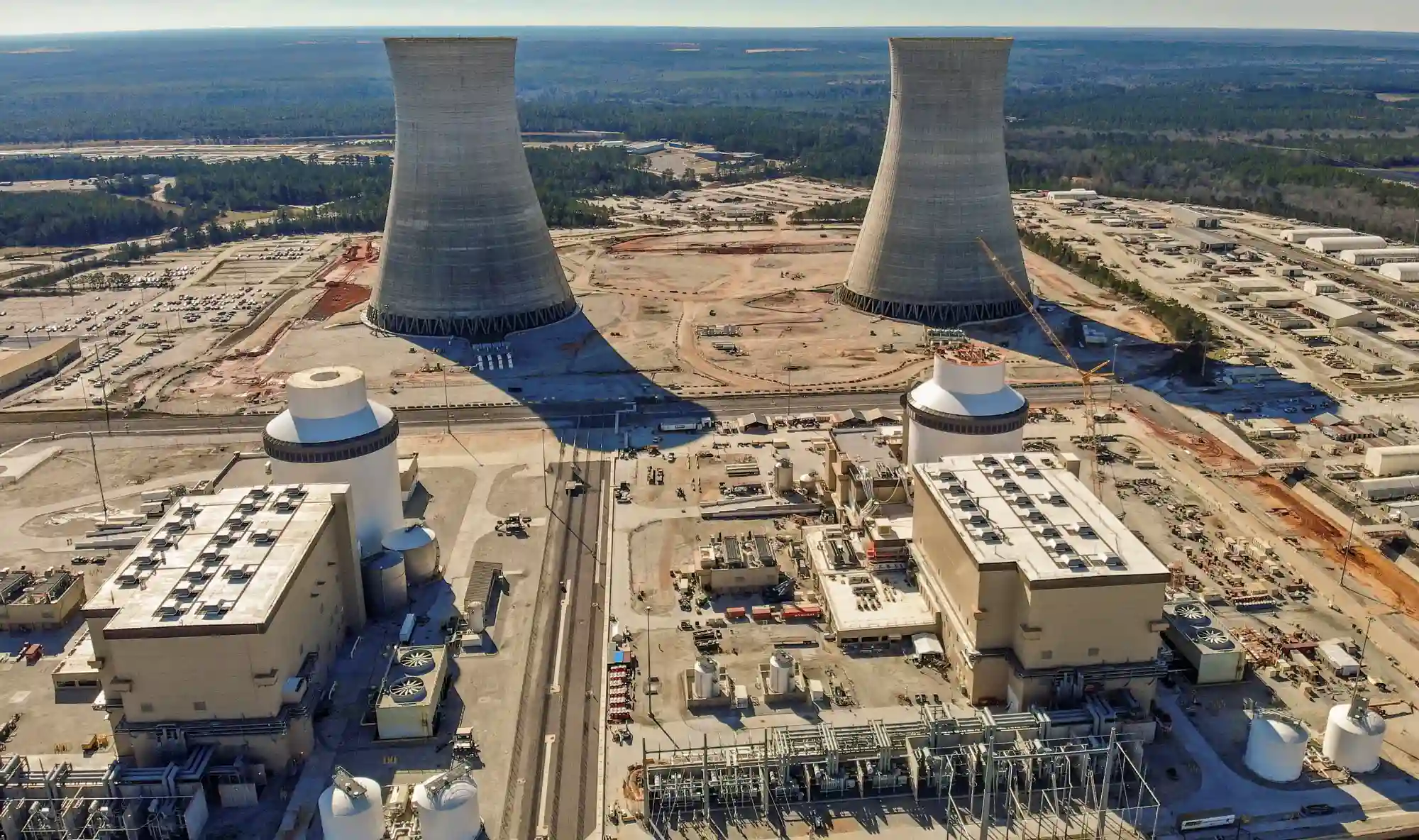
The U.S. is once again building and innovating in nuclear power. This week, the second of two new nuclear units went into service in Georgia. Meanwhile, developers in Wyoming just filed permit applications for America’s next nuclear plant, Natrium.
Milestone reaffirms importance of nuclear energy in U.S., opportunity for partnership Today, Bechtel, the engineering, procurement, and construction company under contract to help complete construction on Plant Vogtle Units 3 and 4 in Waynesboro, Georgia, congratulates Georgia Power and Southern...
America’s Next Nuclear Power Plant Begins Construction
Bechtel will build Natrium Advanced Reactor Demonstration Project in Wyoming Today, Bechtel celebrates the official groundbreaking of the Natrium Demonstration Project. Bechtel is TerraPower’s engineering, procurement, and construction partner on this first-of-a-kind project in Kemmerer, Wyoming. The project is part...
Commercial Operations at Vogtle Unit 3 is an Important Milestone for US Nuclear Industry
Impact “much bigger than a single project” Bechtel, the engineering, procurement, and construction company brought in to complete construction on new Units 3 and 4 at the Vogtle nuclear power plant in Georgia, today issued the following statement from Brendan Bechtel, Bechtel...
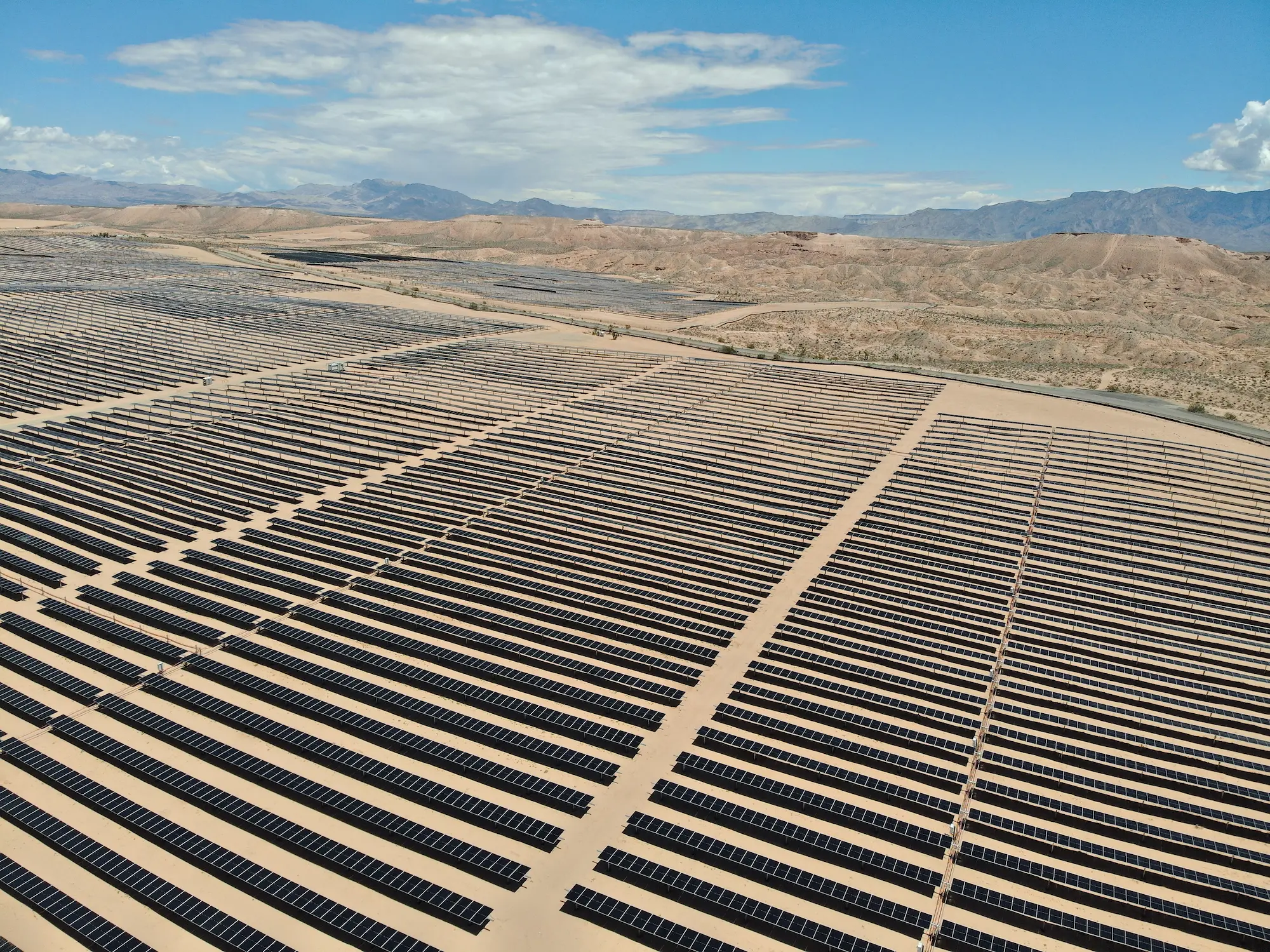
Bechtel completed the engineering, procurement, construction, commissioning, and project management of Escape Solar in Lincoln County, Nevada for Estuary Power and Ullico.
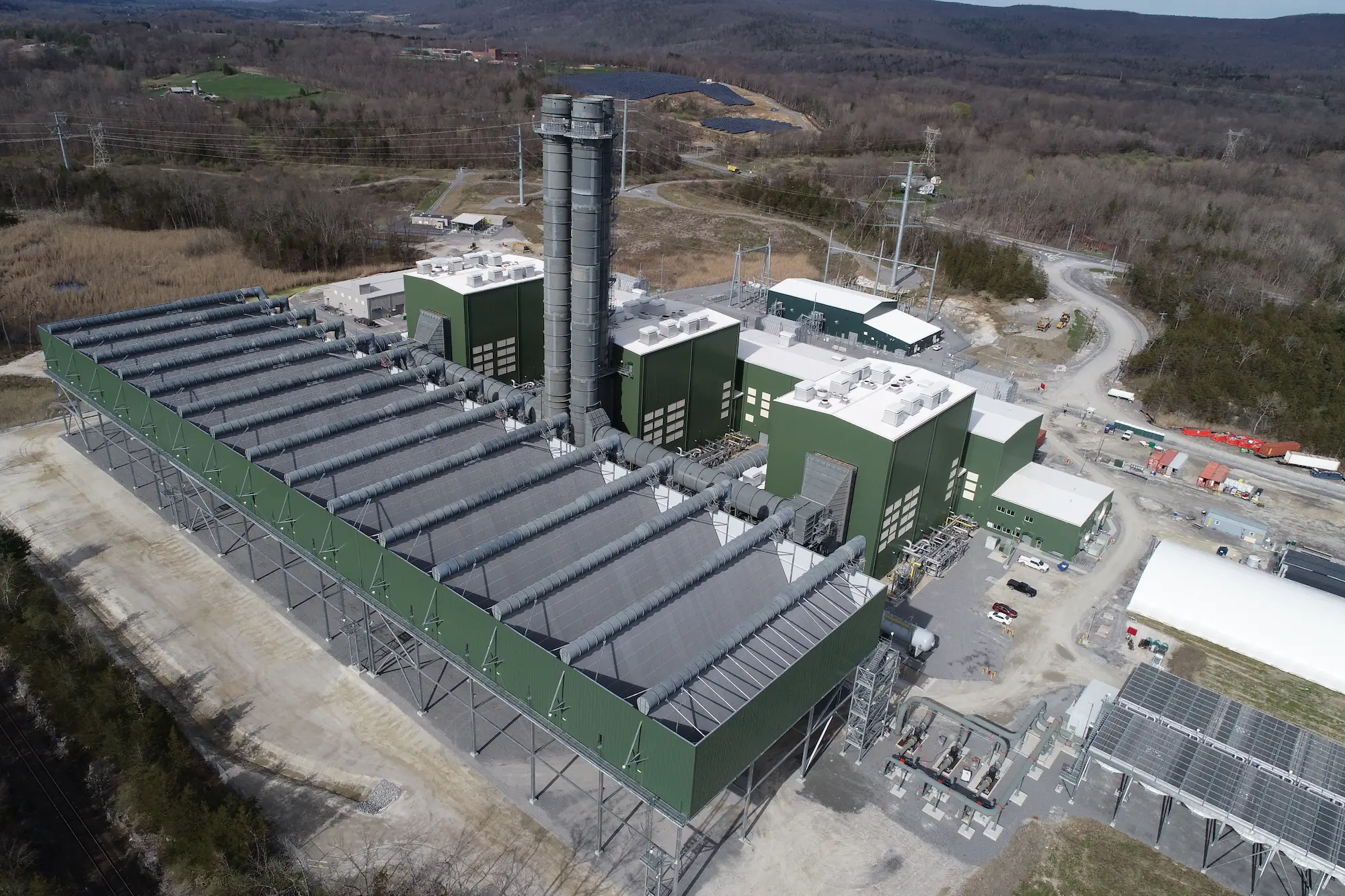
Producing Reliable Energy to Power One Million Homes Bechtel partnered with Cricket Valley Energy LLC, an affiliate of Advanced Power, to deliver a new, 1,100-megawatt combined-cycle power facility in Dover, New York. Built on a dormant industrial site, the Cricket…