-
Chris Enoch
UK&I Transportation Lead
September marks the 200th anniversary of modern rail, a milestone that traces back to the opening of the Stockton & Darlington Railway in 1825. That pioneering line didn’t just connect two English towns – it sparked a global transformation that reshaped communities, commerce, and human progress itself. It also set the stage for Bechtel’s inception, beginning with our first project grading railbeds in Oklahoma 127 years ago.
Having spent 35 years in this industry, working for Bechtel on iconic projects – ranging from Crossrail (the Elizabeth Line) and HS1 in the UK to metro lines in Riyadh, Sydney, and Toronto – I’ve witnessed rail’s continuing evolution firsthand. The question isn’t whether rail remains transformative; it’s whether we can deliver that transformation efficiently and effectively.
Rail’s Enduring Promise
Throughout every technological shift- from steam to diesel to electric, and now to battery-powered trains, MagLev systems, and AI-powered applications – one constant has endured: rail’s unique capacity to integrate communities, generate economic opportunity, and deliver sustainable transportation solutions.
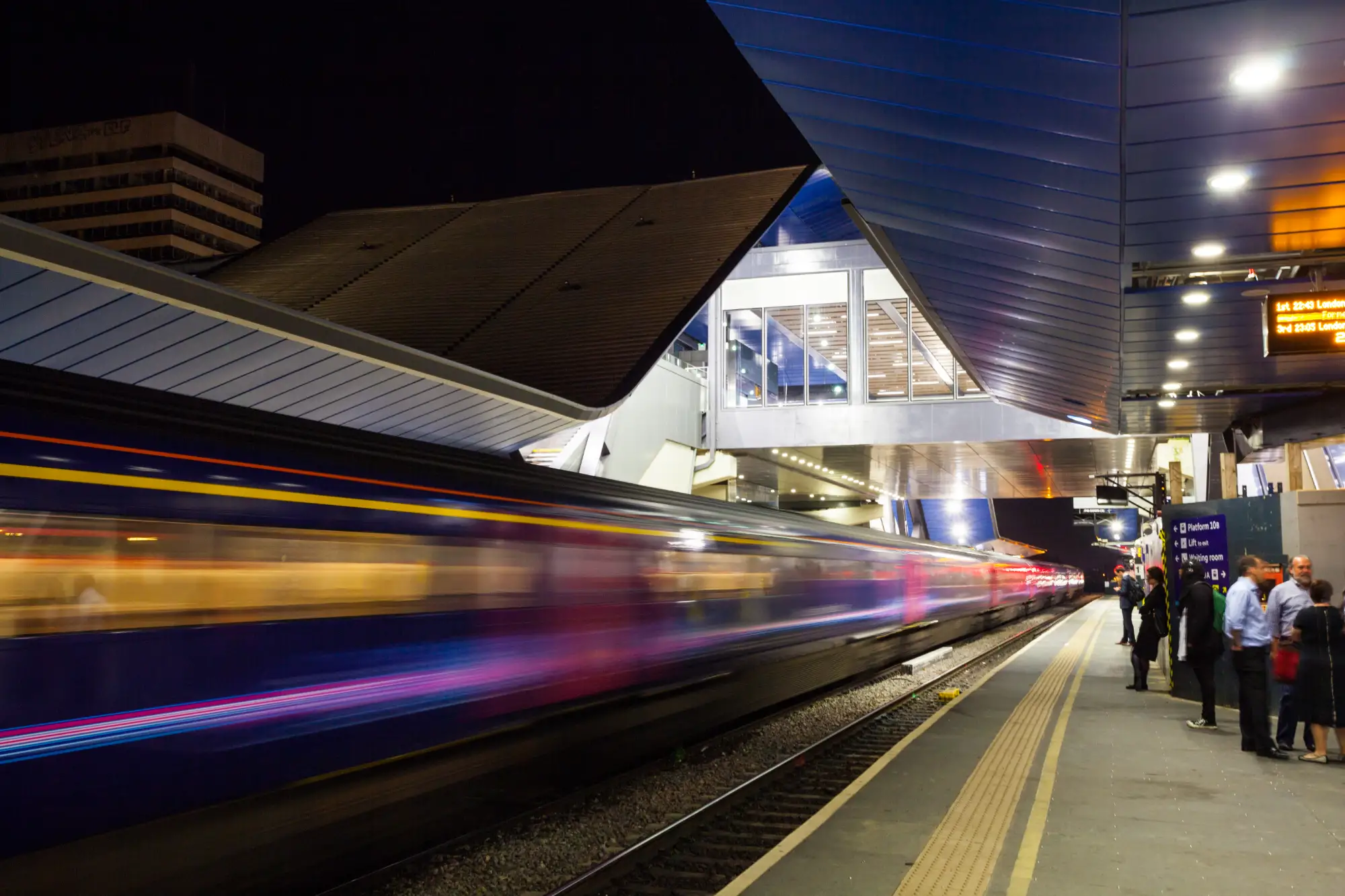
The evidence is compelling. The Elizabeth Line, which Bechtel helped to deliver, has been used for 600 million passenger journeys since opening in May 2022 and has become the UK’s busiest railway, with 90% reporting positive changes in their local areas and notable job creation. The West Coast Main Line, built in the 1880s, still carries 75 million passengers annually and handles 43% of Britain’s rail freight. These aren’t just infrastructure projects – they’re economic engines that continue delivering returns decades after construction.
The Delivery Challenge
Some recent projects have raised legitimate questions about whether current delivery methods can realise rail’s potential benefits while maintaining reasonable costs and timelines. The industry’s reputation increasingly hinges not just on what we build, but how we build it.
At Bechtel, we’ve seen that efficient delivery is possible. Consider these examples from our portfolio:
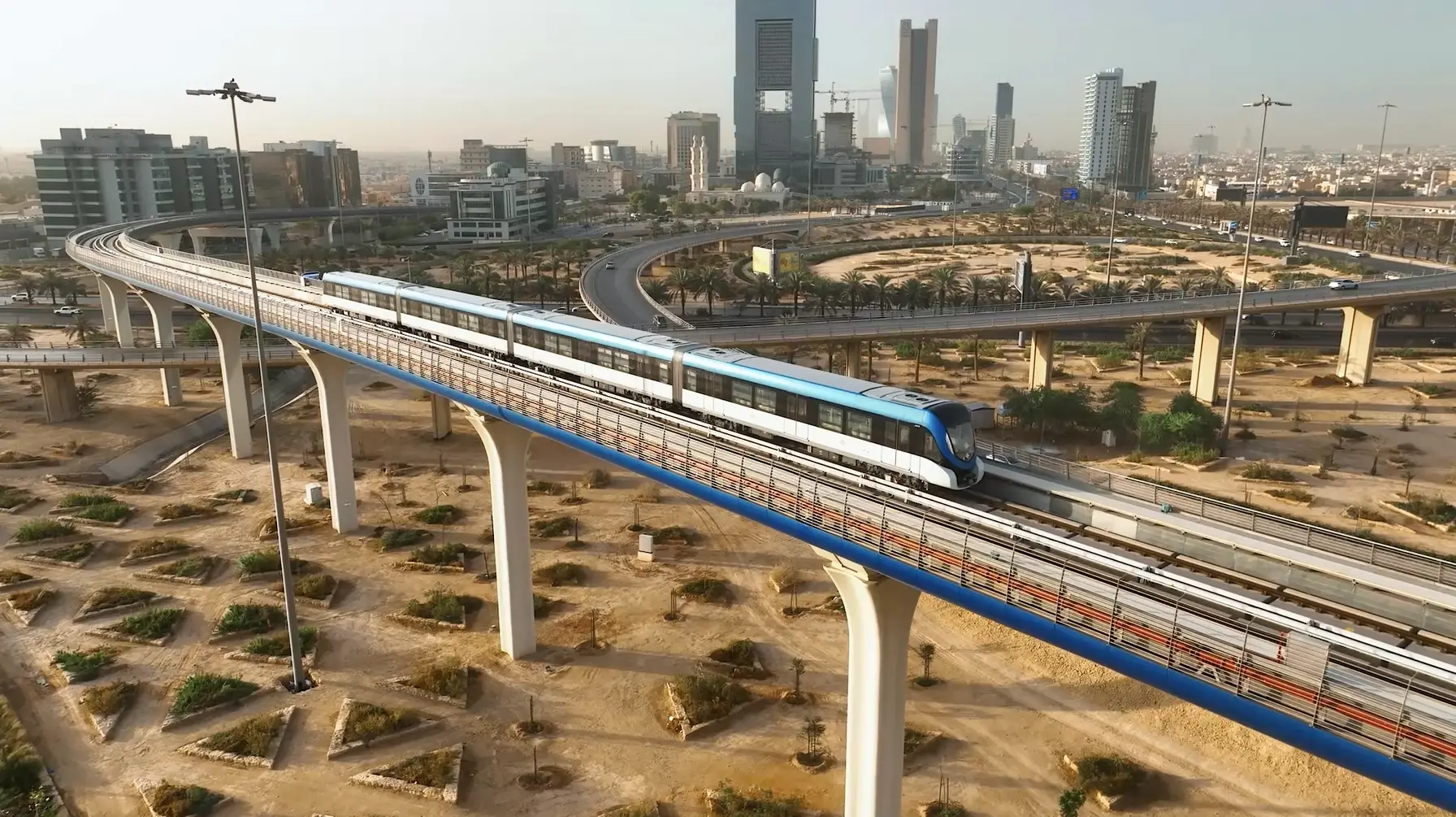
The Riyadh Metro demonstrates what’s possible with creative, consistent execution – it’s the largest metro system to be built in a single phase. Today, its six lines and 176km of track now connect the city’s residential, commercial, and governmental hubs across 85 stations. Ridership has exceeded all expectations, with 100 million journeys in the first nine months since opening last year.
Metro Rio Line 4 proved that rail projects can meet tight deadlines when properly managed. Developed for the 2016 Olympics, the project delivered 16 kilometers of tunnels and six new stations, increasing capacity by 300,000 passengers per day.
High Speed 1 showed that ambitious projects can also be cost-effective. It came in $128 million under budget. And the Elizabeth Line has already contributed an estimated £42 billion to the UK economy. These aren’t exceptions – they’re proof that efficient delivery is achievable.
The Path Forward
Successful rail delivery requires three critical elements, which we’ve identified through extensive project experience and detailed in Bechtel’s High-Speed Rail white paper:
- Long-term, cross-party political support ensures projects survive changing governments and maintain consistent funding and vision throughout lengthy development cycles.
- Strong, collaborative teams that anticipate challenges early, motivated towards common long-term goals and supported by secure supply chains with clear aligned communication channels between all stakeholders.
- Appropriate, integrated delivery models selected from the outset and designed with the end goal in mind – whether partner-led delivery for complex projects requiring specialized expertise, integrated owner-partner teams for shared accountability, or owner-managed models for organizations with strong internal capabilities.
The key isn’t finding a one-size-fits-all solution but matching the delivery approach to project needs while maintaining clear lines of responsibility and accountability.
Leading the Next Century
Rail’s bicentennial represents more than a milestone – it’s a call to action. The UK’s legacy of rail innovation, built on resilience and progress through adversity, positions us uniquely for the challenges ahead. Projects like East-West Rail, which will revitalize southern England’s connectivity by linking Oxford, Cambridge, and numerous other cities without London diversions, show the transformational potential still within our grasp. And HS2 will clearly be an absolute game-changer for the UK.
With insights gained from both domestic and global experience, we have the opportunity to lead once again – not just in dreaming big, but in delivering excellence. The next 200 years of rail innovation depend on it.
-
Chris Enoch
UK&I Transportation Lead