-
Ben Souther
Senior Vice President and General Manager, Environmental & Security
Over the last few decades, digital innovation has improved construction, driving efficiency at every stage of the project lifecycle. Yet government construction—namely nuclear facilities and other high-security builds—has been slower to adopt these tools. The reasons are obvious: on these projects, security standards are exacting and execution must be flawless, down to the millimeter. Add strict regulatory oversight to the mix, and you can see why digital adoption can be difficult.
But as Bechtel has shown, with the right experience and expertise, it’s not impossible.
Bechtel’s Environmental & Security business line has successfully integrated digital tools into government construction programs, while upholding the highest standards of safety and security. This work demands not only a deep understanding of government safety regulations but also the ability to design practical innovations and adapt commercial technologies to meet the rigorous requirements of high-security environments.
A Track Record of Government Partnership
For 77 years—over half our 127-year history—Bechtel has partnered with the Department of Energy and its predecessor agencies on complex, mission-critical work. We’ve delivered nuclear plants, managed national laboratories, and overseen the construction, cleanup, and decommissioning of hazardous waste sites.
That experience has given us a keen understanding of government safety standards—something embedded into our DNA since the 1930s, when we adopted Edward Bullard’s new hard hat on the Hoover Dam and became one of the first contractors to require it companywide. It was also on display in the early days of Bechtel when our founder, Warren Bechtel, oversaw the addition of steam shovels and tractors—relatively new innovations at the time—to tackle some of the toughest jobs in construction, with techniques that delivered better results.
Today, that same mindset—and commitment to compliance—sharpens our ability to anticipate customer needs and identify where new technologies can deliver real value by helping us design, build, and operate more efficiently. We do this in two main ways: by using our institutional knowledge to develop proprietary digital solutions, and by tailoring existing commercial innovations to meet the demands of high-security environments.
Setting Industry Standards Through Proprietary Solutions
Our resolve to always find a better way has driven us to develop our own proprietary innovations. In the 1980s, for example, Bechtel created Setroute—software that translates complex electrical drawings into clear instructions for the field. Before Setroute, electricians had to work this out by hand, which caused errors and costly rework. With Setroute, installation became faster, more accurate, and more efficient—years ahead of the rest of the industry.
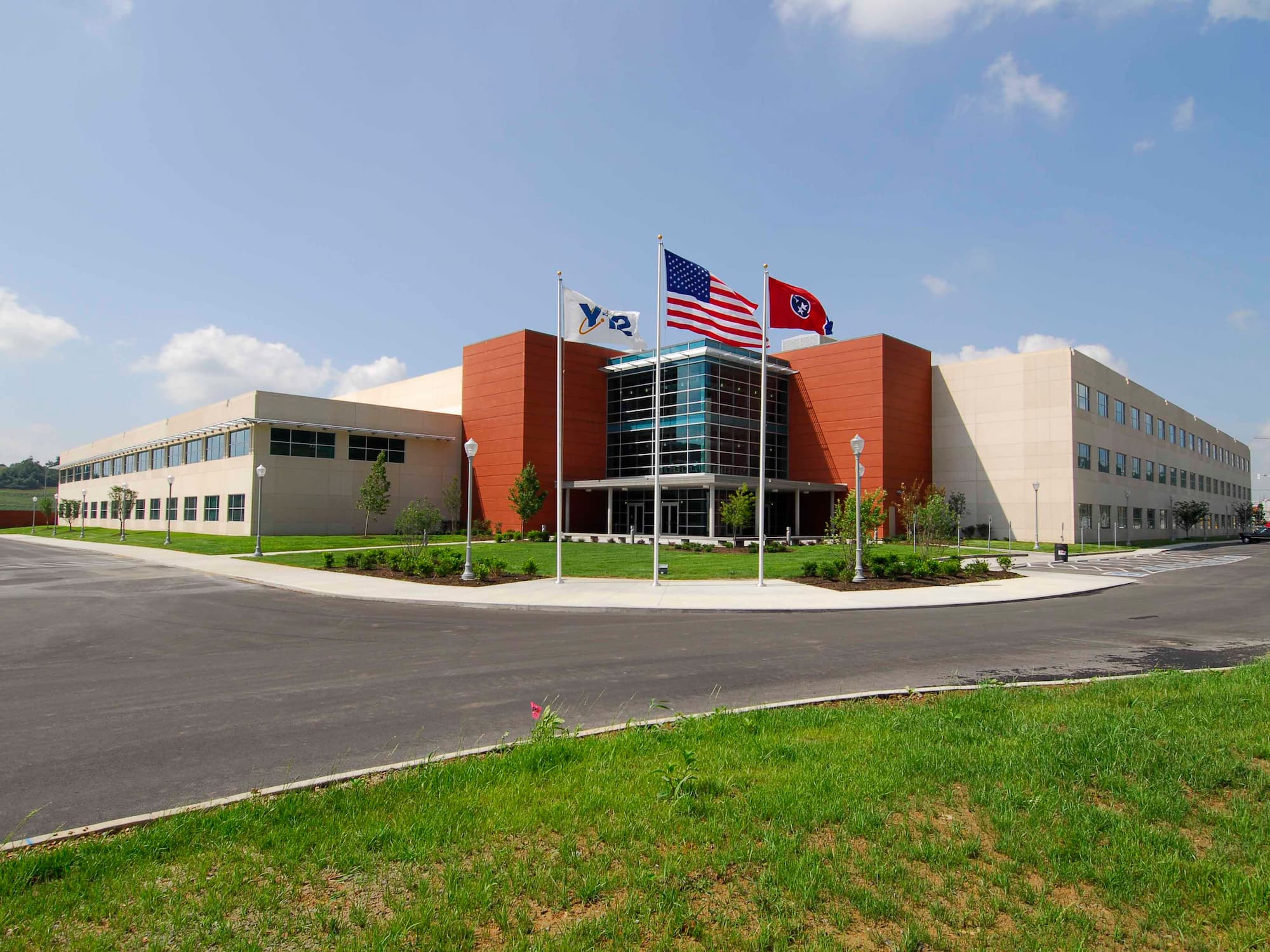
Today, we’re still building tools to make work more efficient. One of the best examples is the evidence identification system, developed for our work at the Uranium Processing Facility (UPF) at the Y-12 National Security Complex in Oak Ridge, Tennessee.
Nuclear projects like UPF require extensive compliance checks through a process known as the Technical Evidence Capture and Management (TECAM) system, which involves reviewing mountains of scanned documents to prove every standard and requirement is met. Traditionally, that meant days of manual searching. Our evidence identification system, however, automates much of this work, using machine learning and optical character recognition to instantly surface the right records. What used to take days now takes minutes.
While machine learning isn’t new, what’s truly innovative is how we’ve combined this digital tool with our understanding of government processes and facilities. We don’t introduce technology for its own sake, but to put forth real solutions that improve safety and efficiency, enable construction professionals to perform at their best, and deliver for the National Nuclear Security Administration (NNSA).
Tailoring Commercial Tools to Secure Environments
Of course, not every instance calls for us to come up with our own proprietary solutions, especially since an extraordinary breadth of commercial construction technologies already exists. The challenge is knowing how to optimize what’s out there. As a company that takes on public and private sector work, Bechtel has been able to use our knowledge of both to adapt commercial technologies for government projects efficiently and effectively.
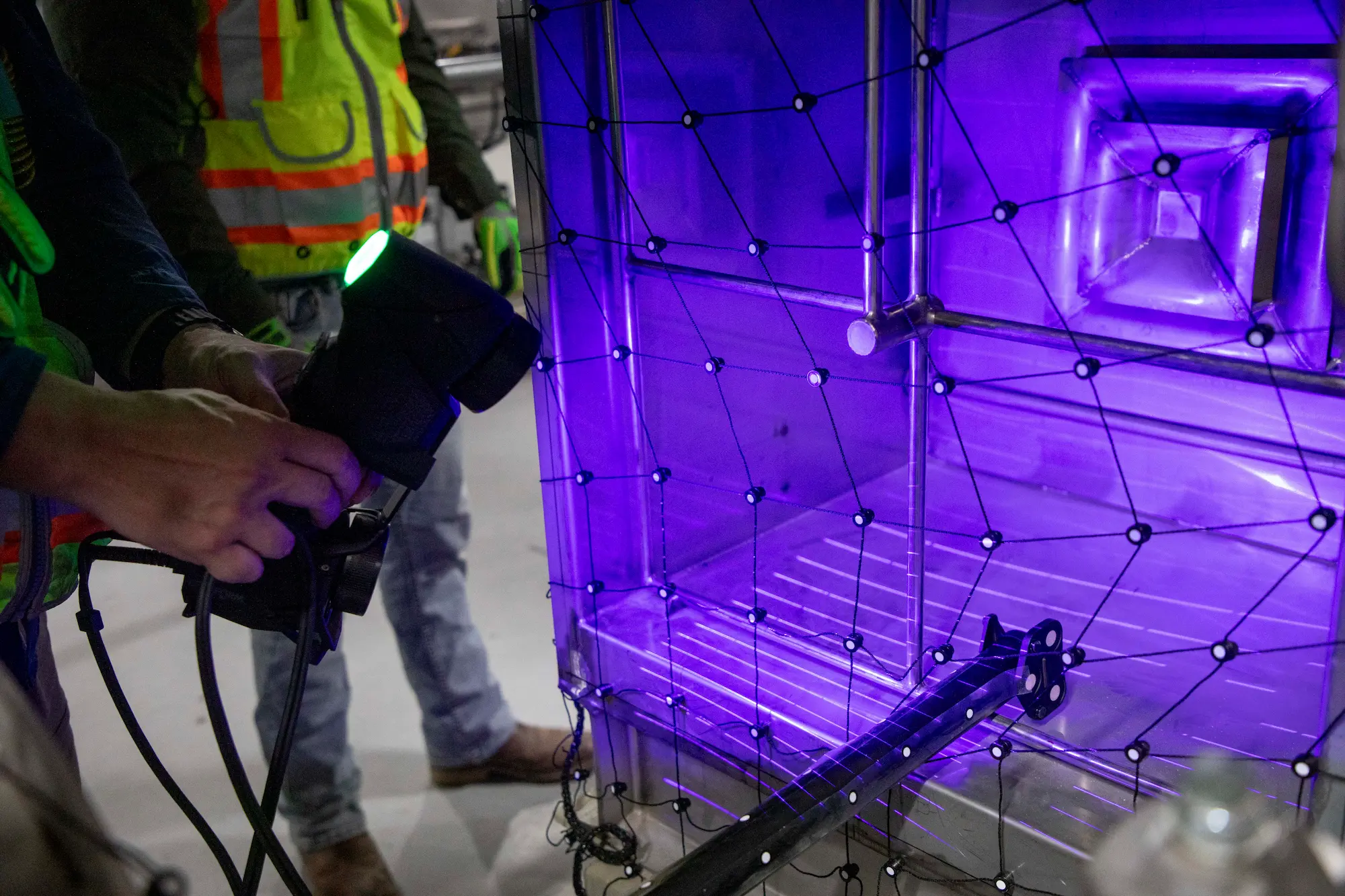
We’ve done this most recently with LiDAR—a 3D scanner that captures field conditions with millimeter accuracy, producing the exact measurements needed to fabricate parts that must fit perfectly in tight spaces. We initially used this technology on commercial projects, so we had firsthand experience with the different types of LiDAR systems and models in the marketplace and could identify which would work best given UPF’s needs and security constraints.
Then, we worked closely with government security teams to demonstrate LiDAR’s benefits and make modifications to address data-protection concerns. By showing that LiDAR could be integrated into existing protocols, we gained approval, enabling our HVAC teams to quickly obtain precise models of as-built spaces, ensuring ductwork fit right the first time.
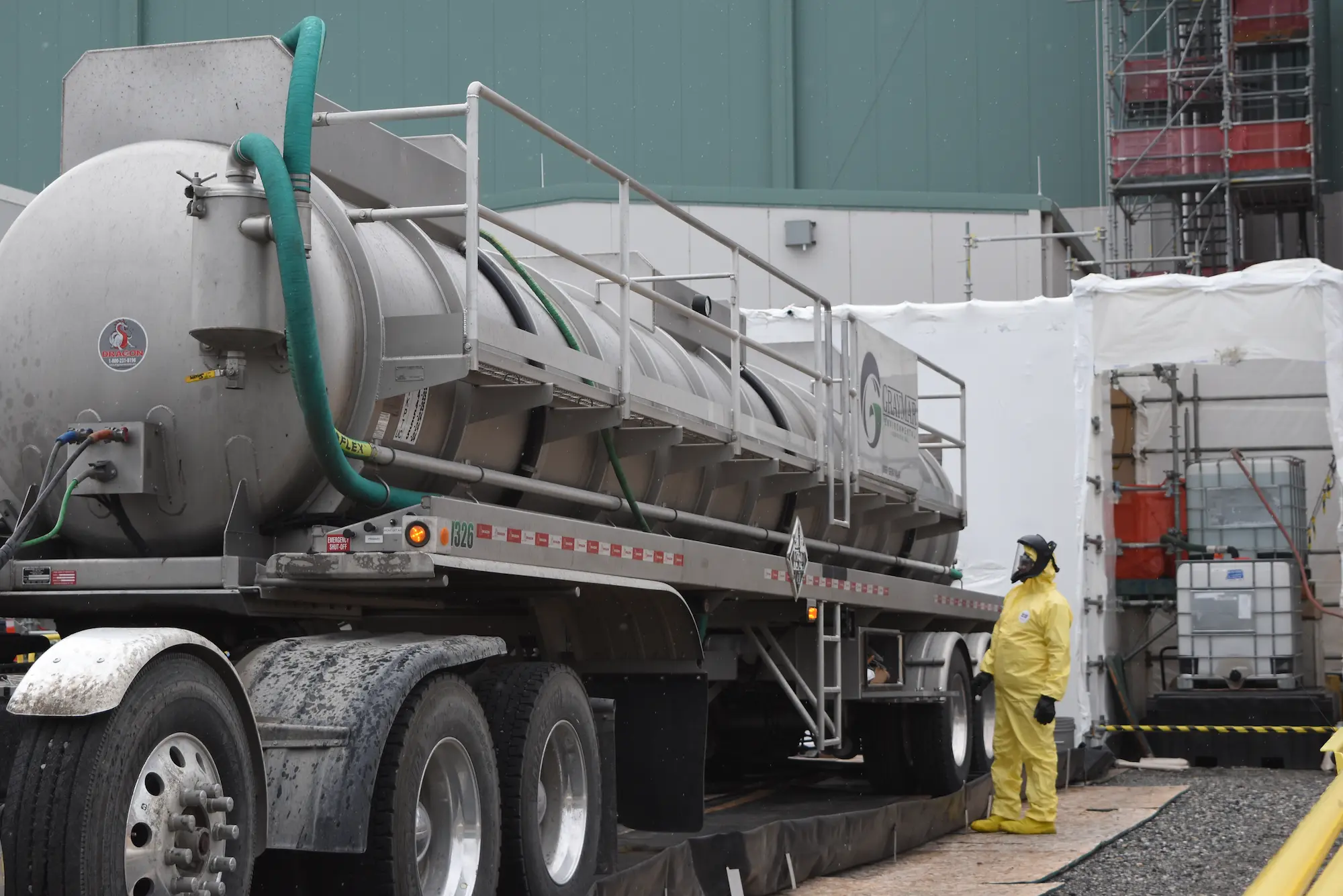
That’s not the only recent example. At the Hanford Waste Treatment Plant (WTP) in Washington state, Bechtel’s High-Level Waste team went through a similar process to introduce the Soter Analytics ergonomic monitor and the Slate Safety BAND V2. These wearables track workers’ movements and physiological data to reduce strain, monitor vital signs in real time, and flag potential risks before they become incidents.
The team worked closely with the government to ensure the technology complied with all data protection requirements before deployment. So far, early results show measurable improvements in worker health and safety, as well as increased productivity. Already, the technology is being evaluated for use on other Bechtel worksites with similar high-security, high-intensity conditions.
Delivering Safer, More Secure, and Efficient Projects
Ultimately, in government construction, innovation isn’t just about having the latest tools—it’s about having the vision and ability to deploy tools that will improve project delivery, safety, security, and efficiency, while respecting the requirements of mission-critical builds.
With 127 years of construction experience—and lessons from our commercial projects worldwide—Bechtel brings that vision. We know how to identify the right solutions, develop our own when needed, and apply proven technologies with a clear understanding of real-world operations that enable Bechtel to honor our commitments.
As the industry continues to evolve, this balance between innovation and practical application remains essential—and Bechtel is committed to leading the way and delivering for our government partners.
-
Ben Souther
Senior Vice President and General Manager, Environmental & Security