-
David Wilson
Principal Vice President of Engineering, Procurement, and Construction at Bechtel Manufacturing & Technology
Hyperscalers and tech companies are advancing the digital world by leaps and bounds in the sectors of artificial intelligence and silicon chips. As they dream of amazing futures, the AI factories and accompanying physical infrastructure must be realized by construction and engineering companies.
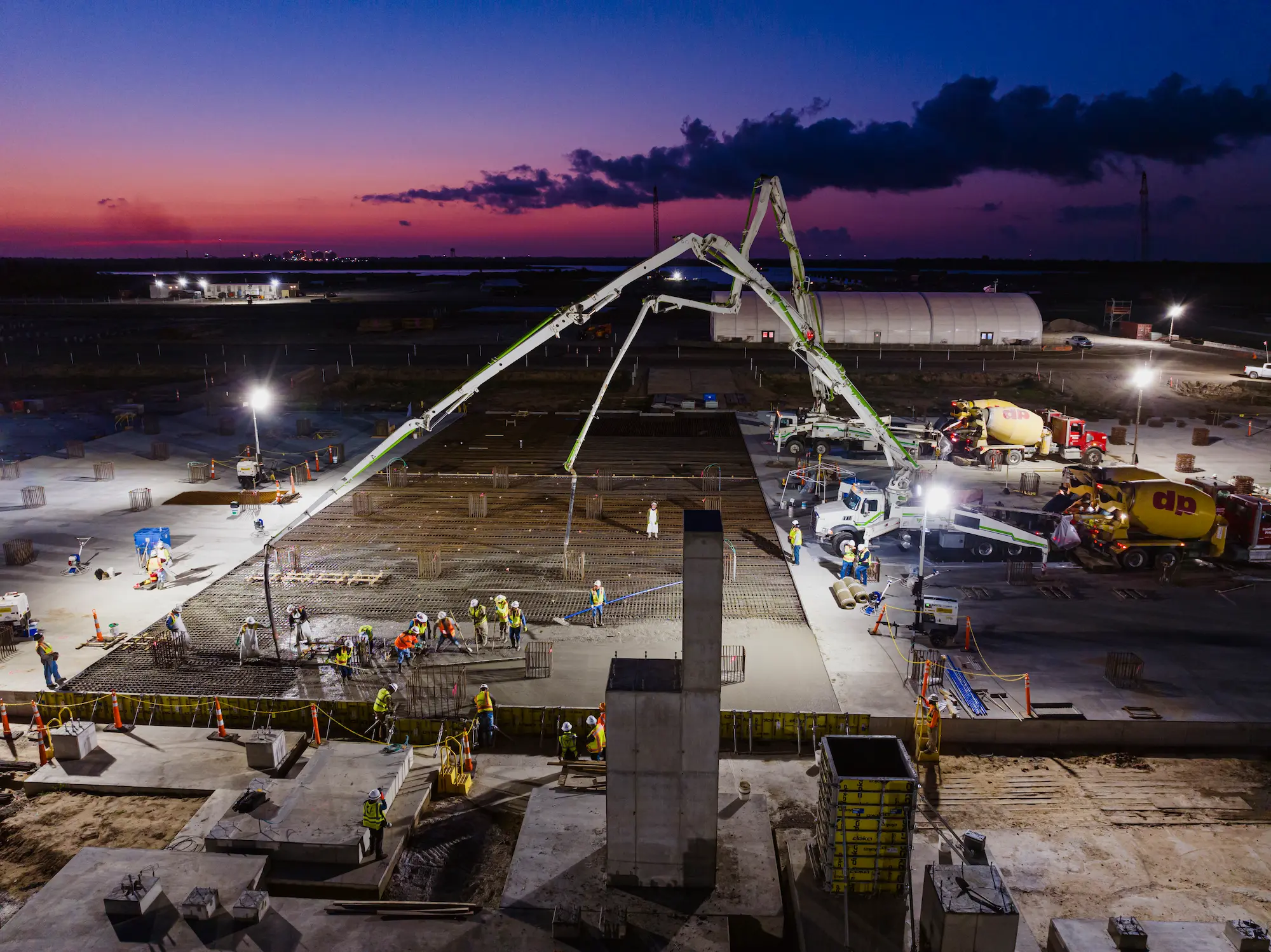
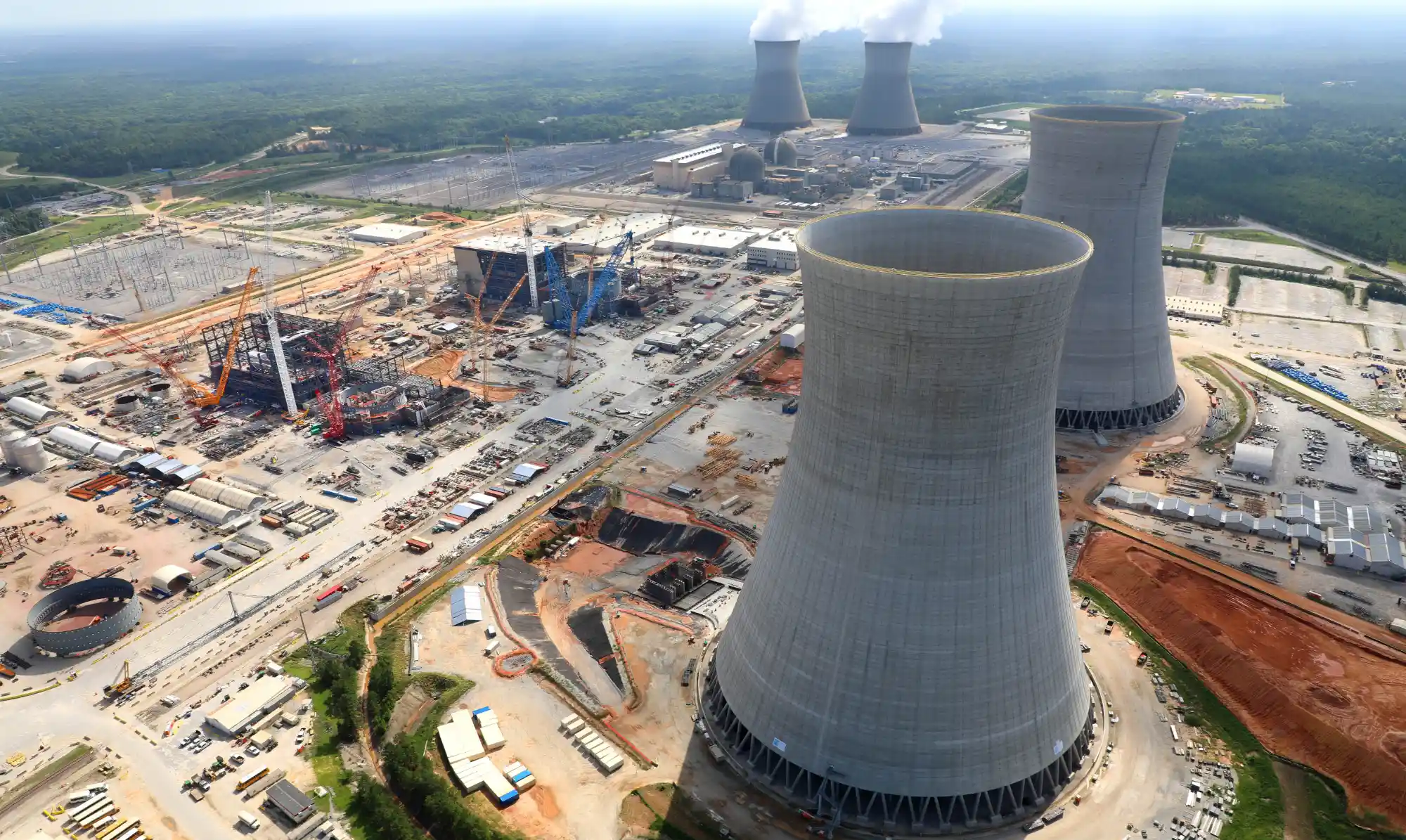
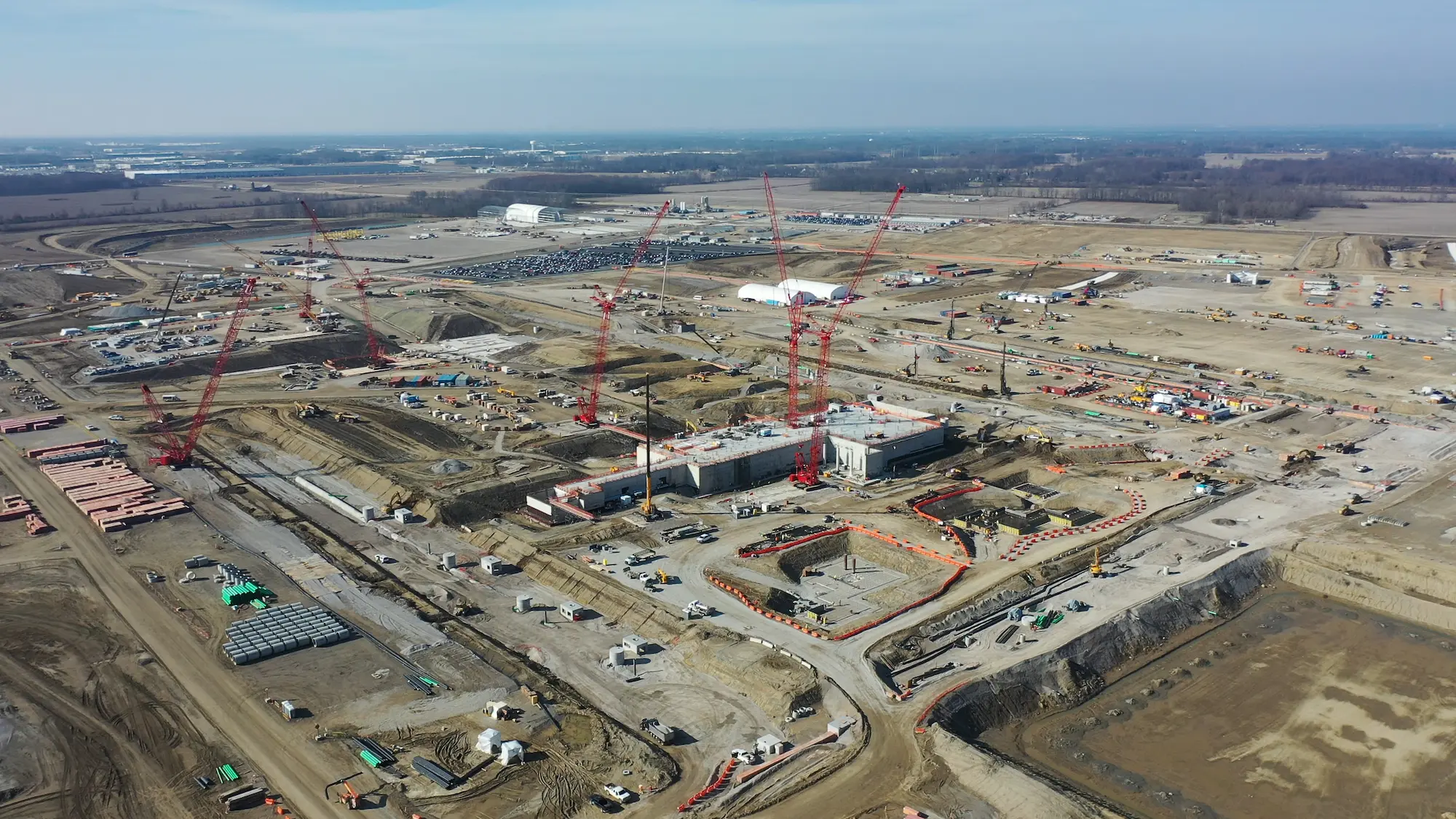
In both size and complexity, today’s AI data centers have grown into construction megaprojects. Though building a megaproject may lack the technical intricacy of creating generative AI, they involve extraordinary logistical complexity. This complexity is amplified when considering the pace demanded by demand in the data center market
To help keep up with demand for constructing AI factories, here are four technology predictions that will reshape how we deliver future AI infrastructure projects.
1. Construction will increasingly look like manufacturing.
Rather than taking place all at a single massive site, much of the work on megaprojects will increasingly be done at multiple, more-controlled sites spread geographically. These secondary sites will feed modules back to skilled craft professionals at the main job location for final installation. Bechtel recently manufactured modules offsite of a semiconductor project, resulting in 10 million job hours being moved off the busy main workfaces.
In the future, construction will modularize elements not previously modularized for AI factories that will let us automate repetitive tasks like drilling, grinding, and welding on these modules, and do it an environment that allows us to work safer, better, and faster.
2. Smart materials: building greener, faster, and smarter.
Building and operating AI factories is resource intensive. Bechtel is mindful of how these projects are delivered and designs them for both efficient construction and efficient operations. The “how” of a project can be just as important when we consider the total resource allocation of a project.
Emerging green steel, low-carbon concrete, and other alternative construction commodities can be friendly to the Earth. We can also wield these commodities more efficiently to lower their footprint.
Bechtel orchestrated a new approach on a semiconductor project that allowed us to do a much wider footprint of “precast” concrete than ever before. Our engineers came up with creative approaches to join precast elements in places they have never been used before due to structural loads and other dynamics. The result was a 3-month savings to the schedule and 55% reduction in onsite labor for concrete.
We also see significant benefits from vertical integration in Bechtel’s supply chain. Bechtel recently took a stake in steel manufacturing, which we pair with our advanced work packaging and logistics to approach a “just in time” delivery schedule for our construction commodities.
3. AI will help make sense of construction data.
Megaprojects generate mountains of data. Every data element – every signature, every check in a box, every status update, every delivered commodity – has the potential to increase our understanding of how one variable interacts with another in a value chain that cuts across engineering, procurement, and construction. However, such volumes of data are too much for a human to consume.
Today Bechtel is using AI agents to quickly make sense of data and to work more efficiently. In one case, an AI agent processed a 4,400-page manual in minutes, scanning and extracting important operations and maintenance requirements that would have bogged a person down for hundreds of hours. This AI agent saves time, reduces errors, and gets Bechtel’s people back to high impact work faster.
Future AI agents may operate at the point of data collection, intelligently filtering information—flagging critical data for other agents or parsing it for human review and decision-making.
4. High-Tech Training Will Upskill Workers Faster.
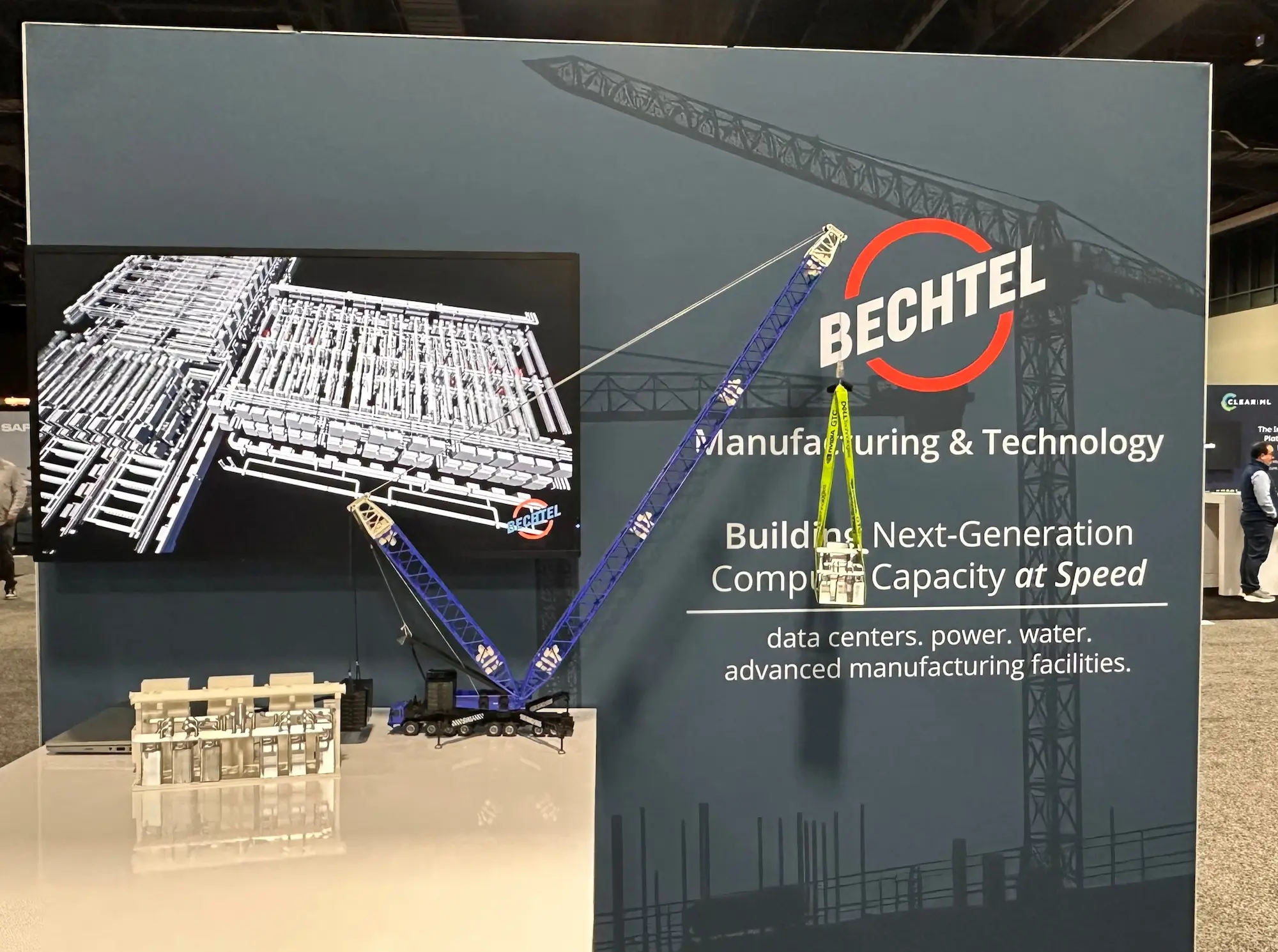
Today’s virtual reality is a great example of construction training entering a new era. For example, Bechtel uses VR to certify and train crane operators.
Workforce training in the future will see explosive growth in VR because we can get more repetitions in during practice in a 100% safe environment. We can allow craft professionals to get multiple repetitions in different VR scenarios so that they are better equipped to handle real-life challenges in their task or responsibility.
We’re working on VR and synthetic environments tailored closely to real world projects. AI factories present new components like specialty piping or electrical equipment for our craft professionals. In the future, synthetic environments might be created quickly to recreate a specific job site, or even specific components at specific angles to plan just how manipulate objects before actual work begins.
Conclusion
Bechtel has been an important enabler of progress for the past 127 years. We are energized to take on the next generation of capital projects using emerging tech in modularization, smart materials, AI, and workforce training. With the right approach, we can help our customers get a technological foothold that becomes a foundation for ultimately improving the human condition.
David Wilson is Principal Vice President of Engineering, Procurement, and Construction at Bechtel Manufacturing & Technology. He leads day-to-day operations for engineering, procurement, and construction for life sciences, AI data center, semiconductor, and battery capital projects.
-
David Wilson
Principal Vice President of Engineering, Procurement, and Construction at Bechtel Manufacturing & Technology